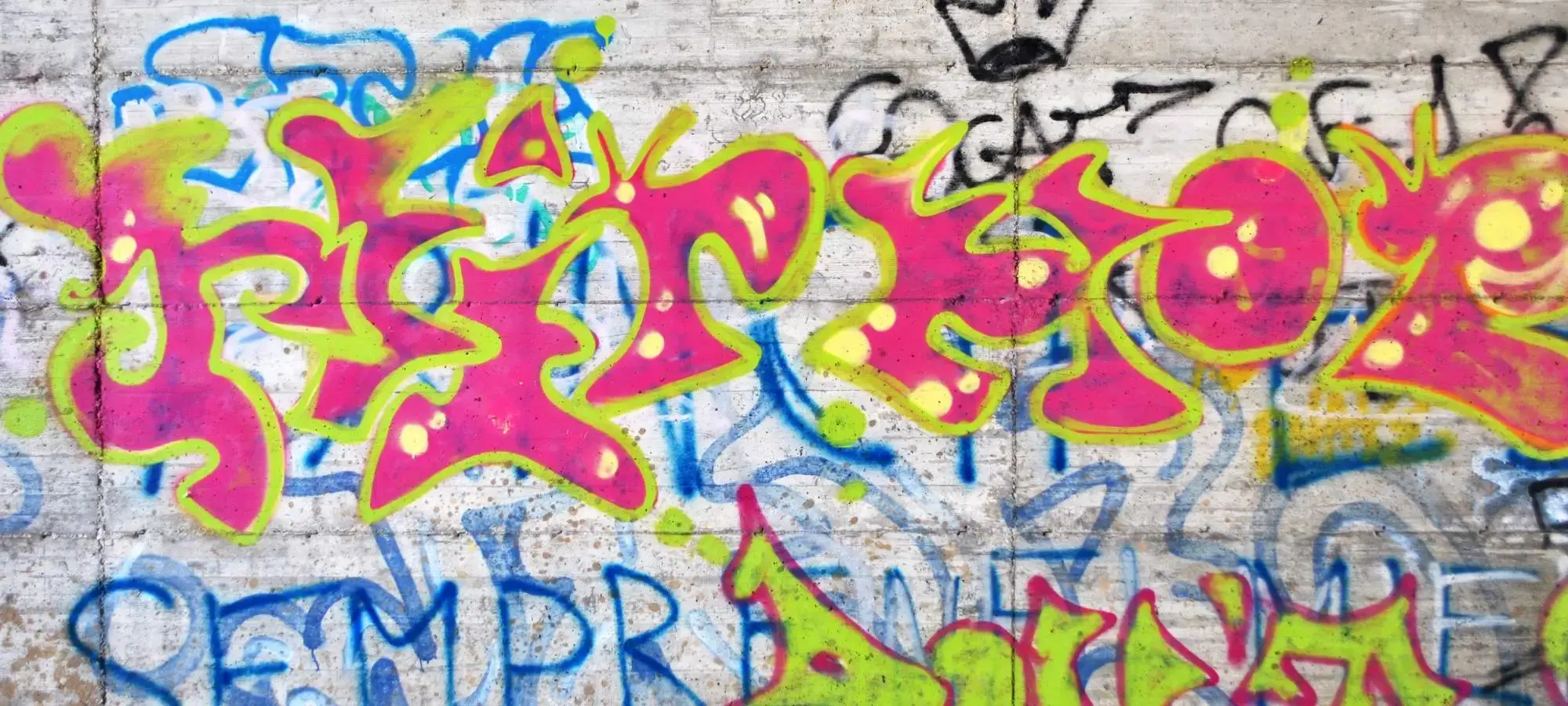
Clear coatings promise protection from tagging without changing how a surface looks—but are they truly invisible? The answer depends on the coating system, the substrate, and how it’s applied. This guide explains how clear and invisible anti-graffiti coatings behave on different surfaces, what to expect visually, and how you can check finish compatibility before large-scale work.
What “clear” means in anti-graffiti systems
In the coating trade, clear doesn’t always mean invisible.
A clear anti-graffiti coating forms a thin film that blocks paint and marker penetration, making cleaning faster. Depending on the chemistry, this film can range from fully invisible to slightly satin or glossy.
There are two main system types:
- Non-sacrificial (permanent) coatings – usually two-pack polyurethane or silane/siloxane based. They last years and can be cleaned repeatedly without reapplication.
- Sacrificial (temporary) coatings – wax or polymer films that wash off with hot water and must be reapplied after each clean.
Most councils and infrastructure projects specify non-sacrificial clear systems because they stay on for the long term and deliver lower lifecycle costs.
When a coating is truly invisible
You generally won’t see a quality clear coating once cured, especially on concrete, masonry, or pre-painted surfaces. Permanent anti-graffiti systems are designed to preserve the existing look of the wall, texture and all.
Invisible finishes are achieved by:
- Using a low-sheen or matte binder that diffuses light instead of reflecting it.
- Matching solvent or water base to the porosity of the substrate.
- Applying the correct film thickness—usually two fine coats rather than one heavy layer.
When these steps are followed, even close inspection shows only the original paint or concrete texture.
When a coating may be noticeable
On certain substrates, a faint difference in sheen or tone can appear. This isn’t a fault—it’s the coating film doing its job.
You might notice a light change on:
- Dark painted surfaces where the film catches light at specific angles.
- Very smooth or metallic finishes such as stainless steel or Colorbond® steel.
- Porous or patch-repaired walls that absorb product unevenly.
A small test patch in a low-visibility area always confirms how the system will look once dry. Contractors often include this as part of a specification check before a full-scale program.
How to test for clarity before coating a wall
A few quick checks help avoid surprises later:
- Clean a small section to bare substrate.
- Apply the same primer and topcoat as planned.
- Coat half the area with the clear system and leave the rest uncoated.
- View under daylight and floodlight from different angles once dry.
If there’s no visible difference, you’ve chosen the right invisible anti-graffiti product for that surface.
If there’s a sheen shift, a low-gloss variant can often solve it.
How clear anti-graffiti coatings work
These coatings form a microscopic barrier layer that stops paint or marker pigment from bonding to the substrate. The protective layer can be:
- Hydrophobic (water-repelling) – ideal for painted concrete and brick
- Oleophobic (oil-repelling) – better for stainless steel or polymer surfaces
During cleaning, graffiti sits on the surface and is removed with mild solvent or hot-water pressure, leaving the underlying wall untouched. That’s what makes invisible anti-graffiti systems so practical: they keep surfaces clean without extra repainting or patch repair.
Visual differences in matte vs gloss systems
Contract specifications usually nominate a sheen level:
| Finish type | Typical use | Appearance after application |
| Matte / Low-sheen | Concrete, painted noise barriers | Virtually invisible; retains natural texture |
| Satin | Brickwork, rendered walls | Slight soft glow under light |
| Gloss | Architectural metal panels | Noticeable shine; chosen intentionally for design contrast |
The less reflective the finish, the less visible the coating.
Road noise barriers
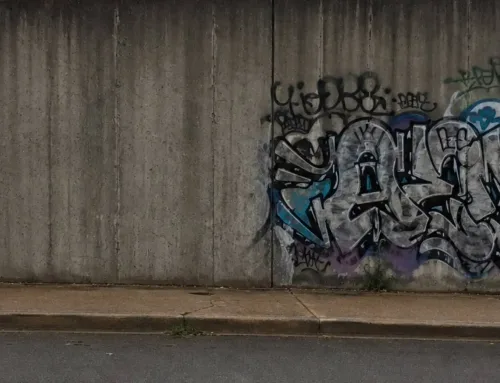
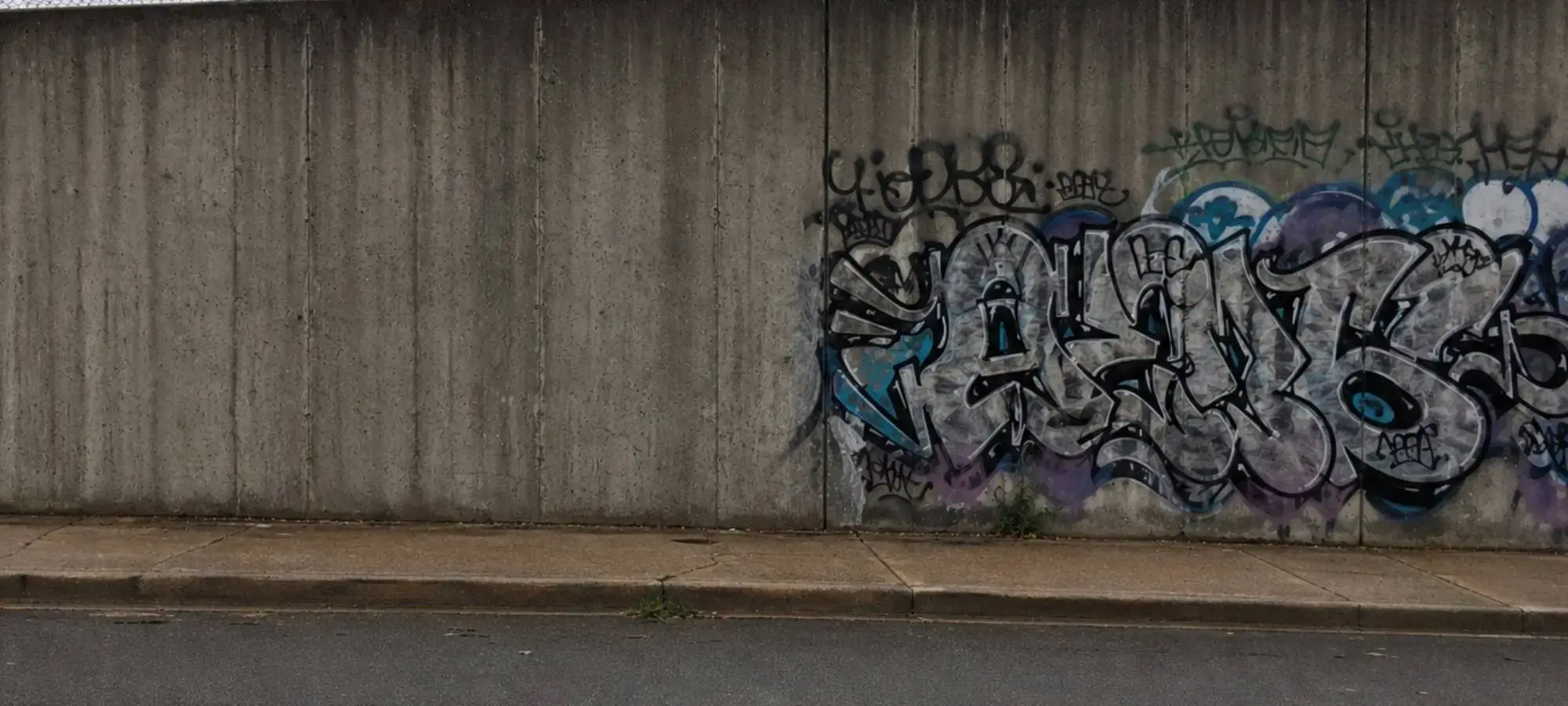
On major NSW road projects, non-sacrificial clear coats are applied over textured paint on concrete noise barriers. Once cured, crews can wash off graffiti repeatedly with approved solvents or mild pressure, without leaving shadow marks. The walls keep their uniform tone for years, avoiding patchy repaints and saving thousands in maintenance.
See Stywill’s anti-graffiti coating portfolio for examples of these systems in use across Sydney infrastructure projects.
Maintenance and cleaning visibility
Even if the coating itself is invisible, cleaning can briefly make a difference. Freshly washed sections may look slightly darker until fully dry—similar to wet concrete after rain. This is temporary and disappears within hours.
Proper maintenance uses:
- Approved pads or soft cloths
- Specified graffiti removers or mild solvents
- Low-pressure warm water rinse
Avoid hard scrubbing or untested chemicals; they can affect surface sheen over time.
When to recoat
Permanent clear coatings can last 5–10 years on most exterior substrates before reapplication. Factors like UV exposure, frequent washing, and surface movement can shorten or extend that timeframe. A professional inspection every few years ensures the film remains intact and invisible.
Common myths about invisible anti-graffiti coatings
“You can always tell where it’s been applied.”
Not true. When matched to the correct substrate and applied evenly, clear coatings are undetectable. Uneven appearance usually indicates surface contamination or application error, not product failure.
“Clear coatings always make walls glossy.”
Only high-gloss formulas do. Matte and low-sheen variants keep surfaces looking natural.
“They change wall colour over time.”
Modern water-based and UV-stable systems stay clear; yellowing is largely an issue of older solvent formulas.
A clear anti-graffiti coating can be either visible or invisible. It depends on the finish you specify, the substrate you’re coating, and how carefully it’s applied. For most public and residential sites, low-sheen non-sacrificial systems deliver the best balance of invisibility and durability.
Protect your assets without changing how they look. Book a site assessment or send plans for a specification check with Stywill Texture Coating today.
Clear anti-graffiti coating FAQs
Is a clear anti-graffiti coating completely invisible?
On most painted or concrete surfaces, yes. A low-sheen non-sacrificial coating looks identical to the uncoated section once cured.
Does a clear coating make walls shiny?
Only if a gloss finish is specified. Matte and satin coatings stay natural and match the existing surface.
Can I apply invisible anti-graffiti coating myself?
Small residential areas can be DIY, but large walls or public assets need professional spray application for an even film.
How long does invisible anti-graffiti protection last?
Permanent two-pack systems last around 5–10 years, depending on UV exposure and cleaning frequency.
What if graffiti keeps appearing in the same spot?
A permanent clear coat allows repeated cleaning without patching or colour change, reducing long-term maintenance.