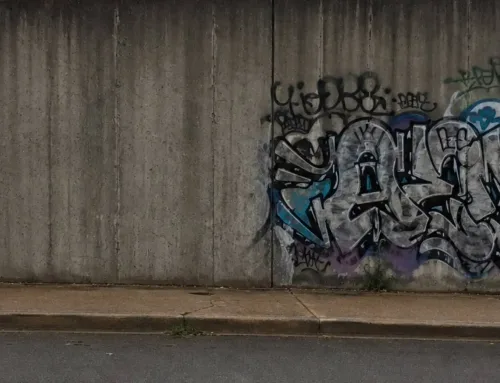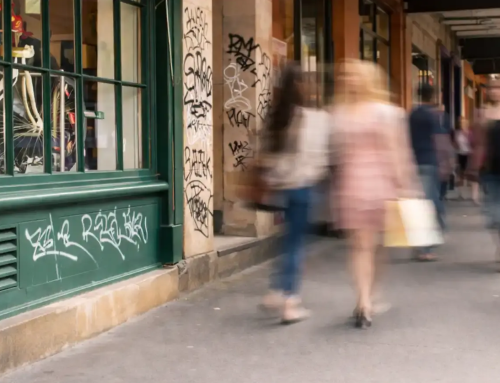
If you manage a library, stadium wall, rail underpass or childcare centre façade, the right anti-graffiti solution for public buildings isn’t a single product. It’s the system that keeps surfaces clean, fits your substrate, and holds up to repeated washing without dulling or peeling. For councils and strata managers, “best” means fewer callbacks, predictable cleaning, and a finish that still looks good five years in.
Non-sacrificial vs sacrificial
Think of anti-graffiti as two families:
- Non-sacrificial (permanent) clear coats. These form a durable barrier—paint can be released with the right cleaner or low-pressure wash. They’re a strong option for high-traffic sites and anti-graffiti for councils rolling out city-wide programs.
- Sacrificial coatings. A protective film that’s removed with the graffiti—then reapplied. They can suit heritage facades or sensitive areas where a temporary barrier is preferred.
Lifespan, cleaning effort, and budget impacts
Non-sacrificial clear coats usually win on lifecycle cost because you clean and move on; you’re not re-coating after each incident. This is an important consideration on bridges, sound walls and busy community centres that see repeated tagging. Sacrificial systems can fit low-incidence sites or heritage fabric where you want a removable layer. Either way, build your budget around two items: cleaning time and inspection cycles (quarterly or after known hot-spot events).
Match the system to the substrate
Coatings perform best when they’re matched to what you’re protecting. The wrong pairing can lead to patchiness, sheen changes or moisture issues.
Porous/mineral surfaces
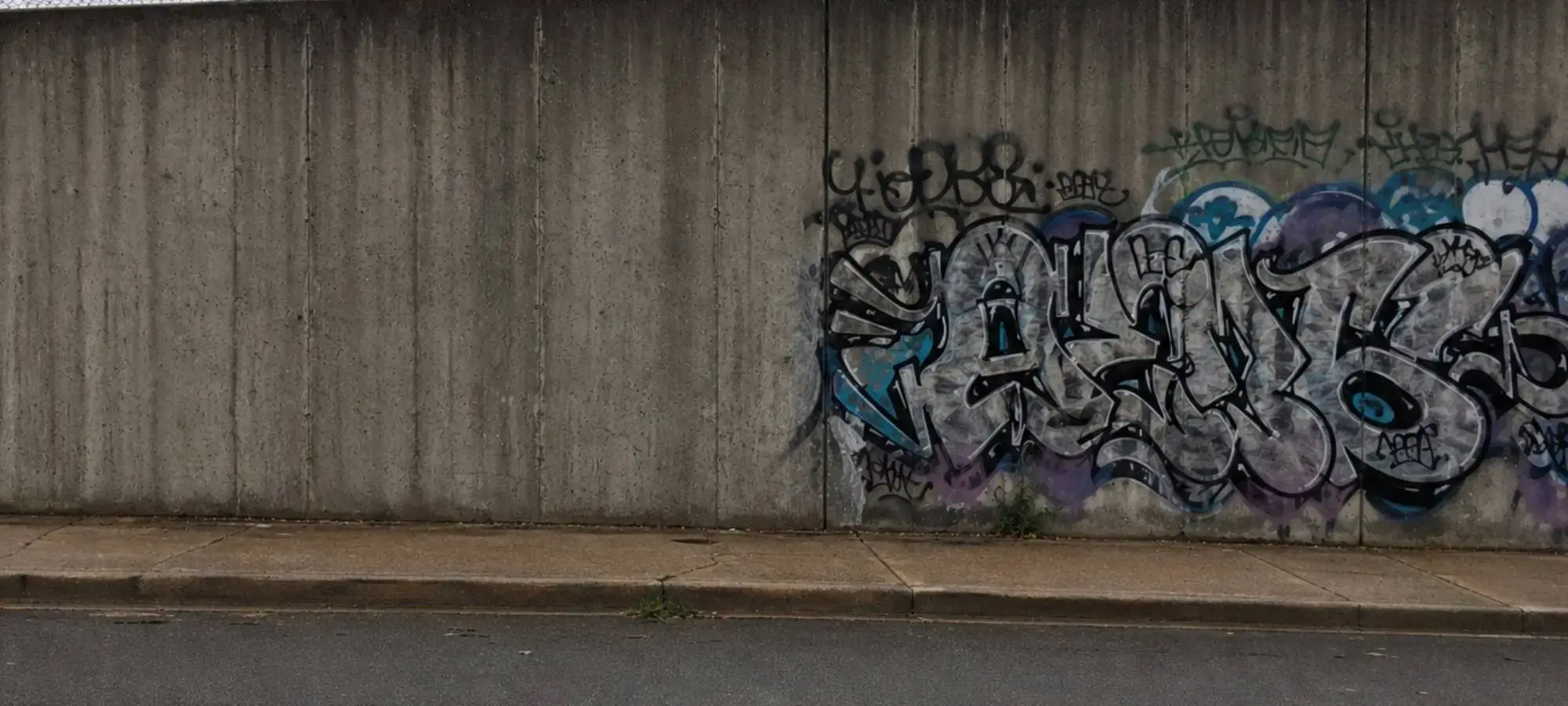
For cast-in-place concrete, precast panels, brick and textured renders (e.g., Hebel noise walls), permanent non-sacrificial systems are typically preferred. They reduce dye “ghosting” in pores and speed up callouts. On very open textures, a filled or sealed base coat may be specified first, so the clear barrier sits on a smoother profile.
Painted surfaces and metals (incl. Colorbond® steel)
For previously painted walls, soffits and strata building protection items like mail rooms, bin enclosures or lift lobbies, a compatible permanent clear coat over the existing finish works well. On metals (including Colorbond steel), systems should resist UV chalking and avoid changing colour. If you’re refreshing colour and adding protection, plan the order: re-paint with the nominated topcoat, allow the correct cure, then apply the non-sacrificial clear.
Specify for real-world cleaning
Graffiti removal is where specifications count. Your cleaning method must suit the coating and the substrate.
- Chemistry: Use the remover approved for the system. Harsh thinners can undercut generic clear coats and lift edges on painted panels.
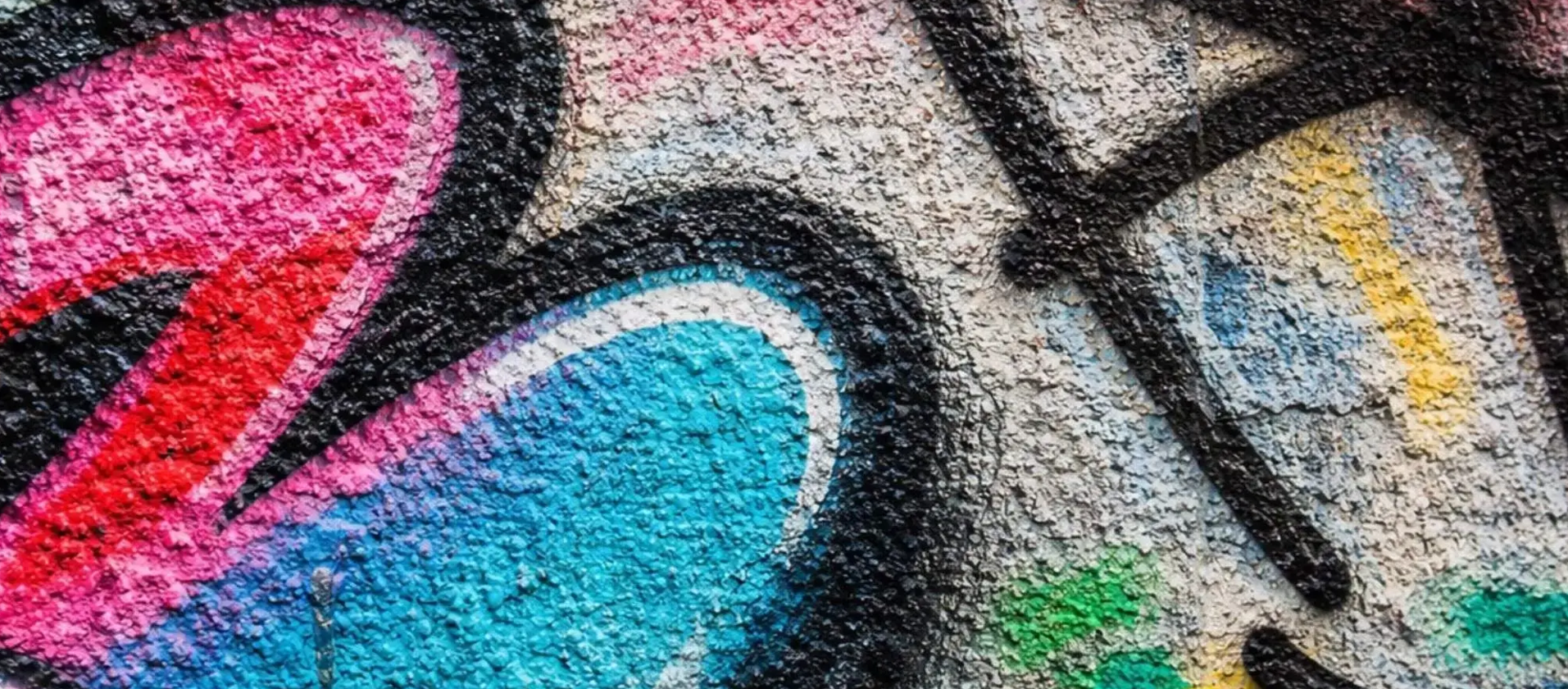
- Pressure & technique: Low to moderate pressure with correct dwell time is safer than blasting. On textured walls, use soft bristle agitation to lift pigment out of valleys.
- Record-keeping: Log the incident date, remover used, dwell time and result. Patterns help you plan extra protection for hot spots (laneway corners, bridge abutments, station entries).
How fast removal protects appearance and budgets
The billboard effect happens when one tag is left visible long enough to attract more. Vandals see a marked wall as an open canvas, and soon a single scrawl turns into layers of graffiti. Quick removal stops that escalation before it starts.
Most maintenance programs aim to remove graffiti within 24–72 hours on priority sites. The sooner the clean-up, the less chance of dye seeping into pores. And that means your team spends less time and solvent on every job. Fast removal keeps both your surface and your maintenance budget in better shape.
Program planning: access, weather, and tenant disruption
Public buildings are busy. Aim for a program that minimises downtime:
- Access & staging: Night or early morning shifts reduce disruption at libraries, pools and child-care centres. For rail/road corridors, coordinate safe access and traffic control.
- Weather windows: Anti-graffiti clear coats need dry, mild conditions and stable overnight temperatures. Reschedule if humidity spikes or rain is forecast. Cure times are important.
- Protection & masking: Gutters, signage, glazing and fixtures must be masked or removed. On textured noise walls near private back fences, overspray control is non-negotiable.
Procurement checklist for the best anti-graffiti solution for public buildings
A clear brief speeds quoting and prevents surprises later. Try to include:
- Asset & substrate: e.g., council amenities block, off-form concrete, 320 m²; or strata lobby walls, previously painted plasterboard, 180 m².
- Incidence level & cleaning plan: monthly tags vs occasional events; who cleans and with what.
- System type wanted: permanent non-sacrificial clear vs sacrificial film; clear over colour coat if repainting.
- Finish expectations: sheen target, “invisible” look on feature concrete, no yellowing.
- Access constraints: operating hours, public interface, height/boom lift needs, traffic/rail approvals.
- Proof required: similar projects, substrate photos, method statements, and warranty terms.
If you’re shortlisting systems or want a site-specific answer, send your plans and photos through. We can compare options for council amenities, schools, noise barriers and strata common areas – and schedule a small test patch before you commit to full coverage.
Call us to book a site assessment and get a quote.
Anti-graffiti solutions FAQs
How do I decide between non-sacrificial and sacrificial on council assets?
Start with incidence and access. If tags are frequent and cleaning must be quick, permanent non-sacrificial systems reduce repeat visits. If the site is low-incidence or heritage, sacrificial can be adequate. Ask for a small test patch and a cleaning demo before finalising.
Will a clear coat change the look of exposed concrete or brick?
A quality non-sacrificial clear is designed to be visually subtle. On very porous or textured surfaces, a test area is essential to confirm sheen. If the base is patchy or stained, consider a colour refresh first, then apply the clear once the paint has cured.
What’s the typical service life of non-sacrificial anti-graffiti?
Service life depends on exposure and cleaning frequency. Well-specified permanent systems on vertical, shaded walls can serve for years with correct removers and low-pressure techniques. Build in annual inspections to spot touch-ups early and keep performance consistent.
Can we add anti-graffiti over an existing painted wall?
Yes, provided the existing coating is sound and compatible. Your applicator will check adhesion, confirm the topcoat brand, and advise on cure times. Often the sequence is: repair, re-paint to achieve a uniform finish, then apply the permanent clear.
What’s different about anti-graffiti for councils vs strata building protection?
Councils manage large networks and need fast, repeatable cleaning across many substrates. Strata sites tend to be smaller but public facing; the focus is keeping lobbies, lifts and bin rooms tidy without harsh chemicals. The right system handles both with the correct remover.
How soon after application can we clean a new tag?
Only after the coating has fully cured. Cure windows vary by product and weather. Your applicator will note the safe-to-clean date; cleaning too soon risks dulling or softening the finish.