Outdoor signage works hard. It points people in the right direction, carries a brand, explains rules, identifies a site or adds character to a public space.
Public art does something similar, but with a bit more personality and a lot more room for argument at council meetings.
Then someone tags it.
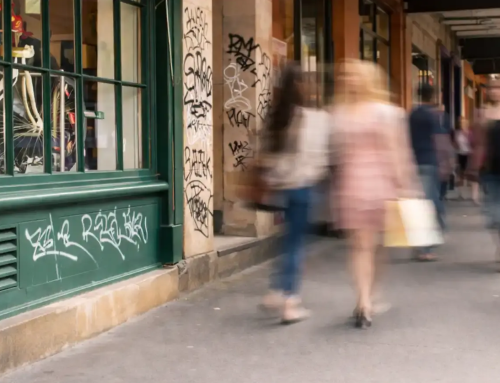
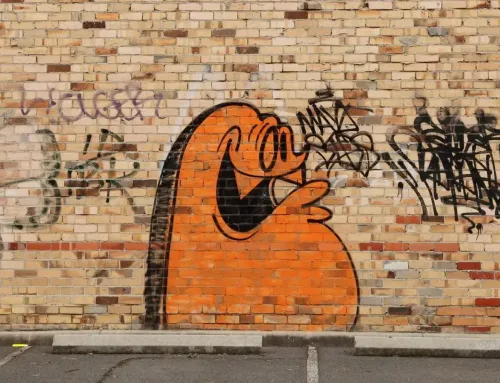
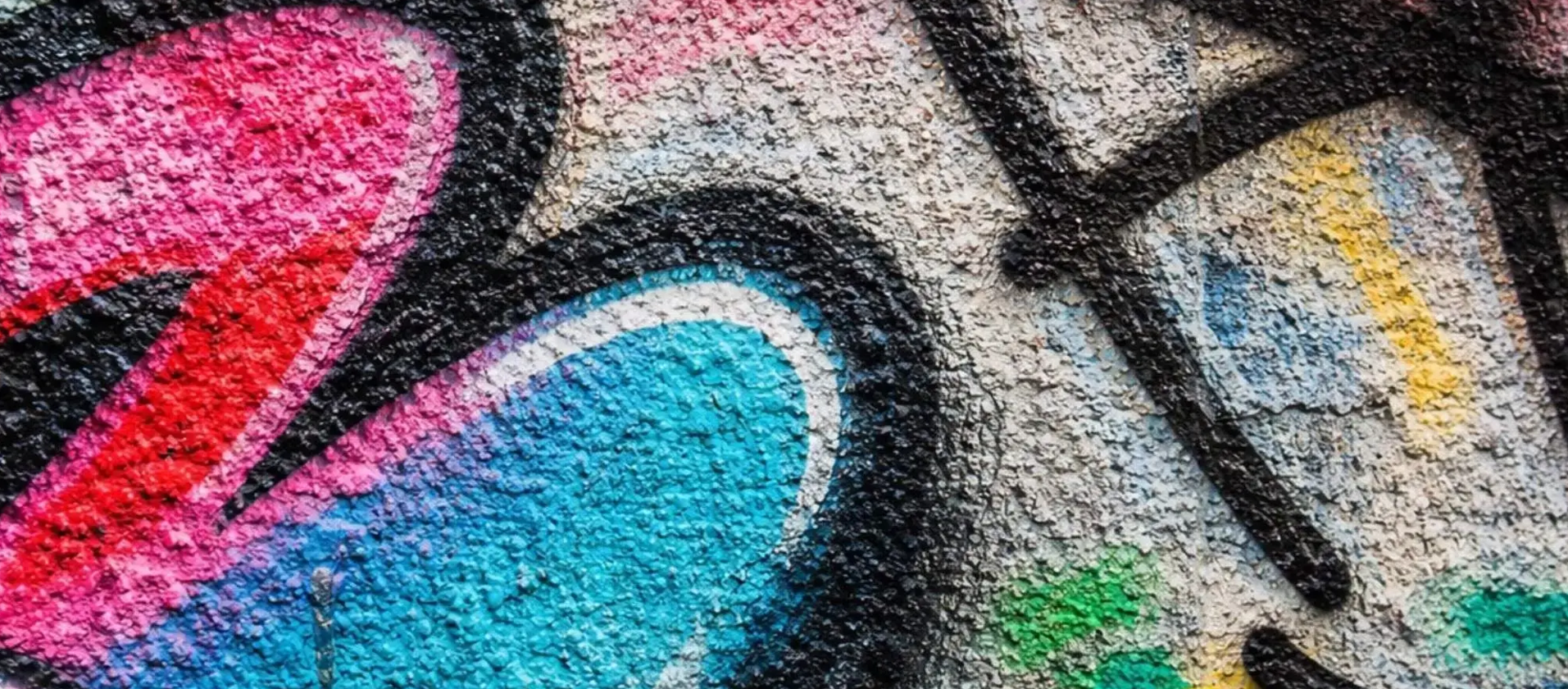
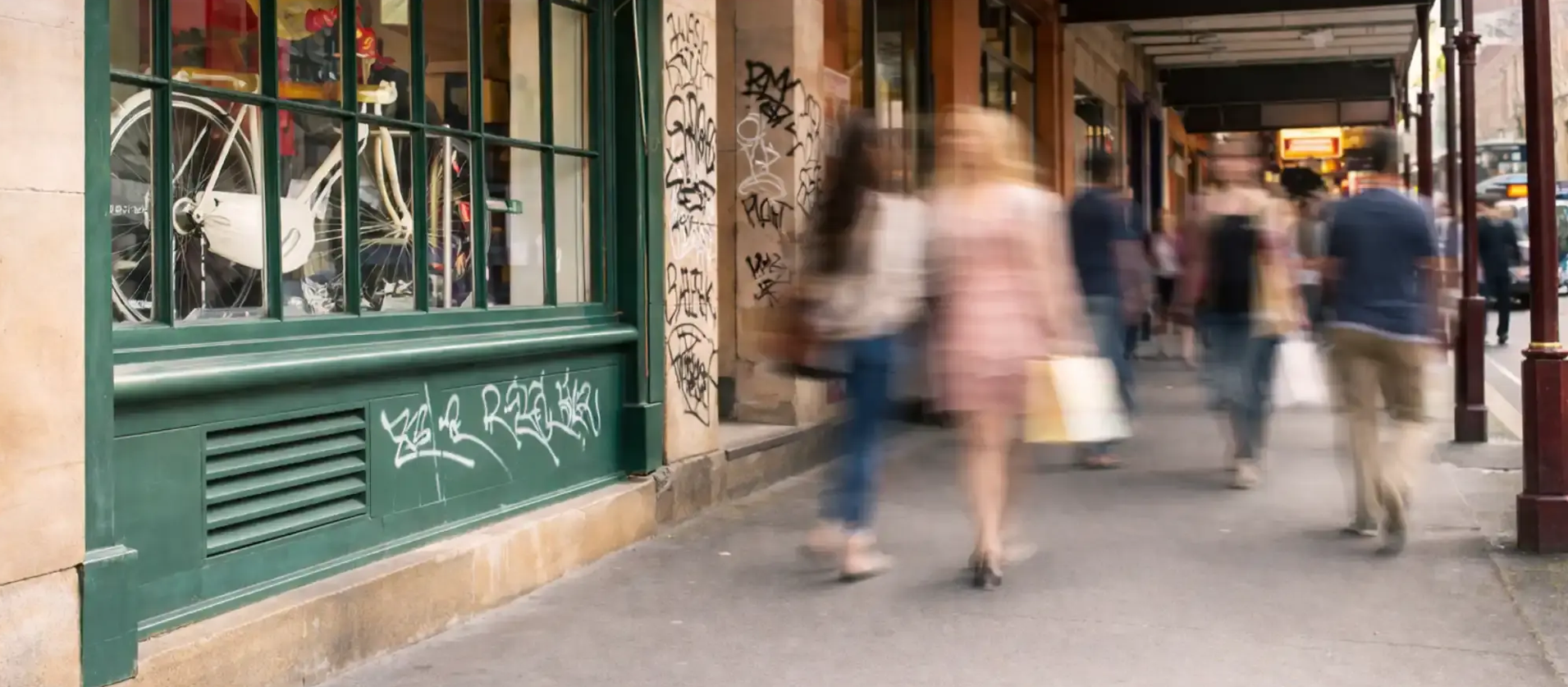
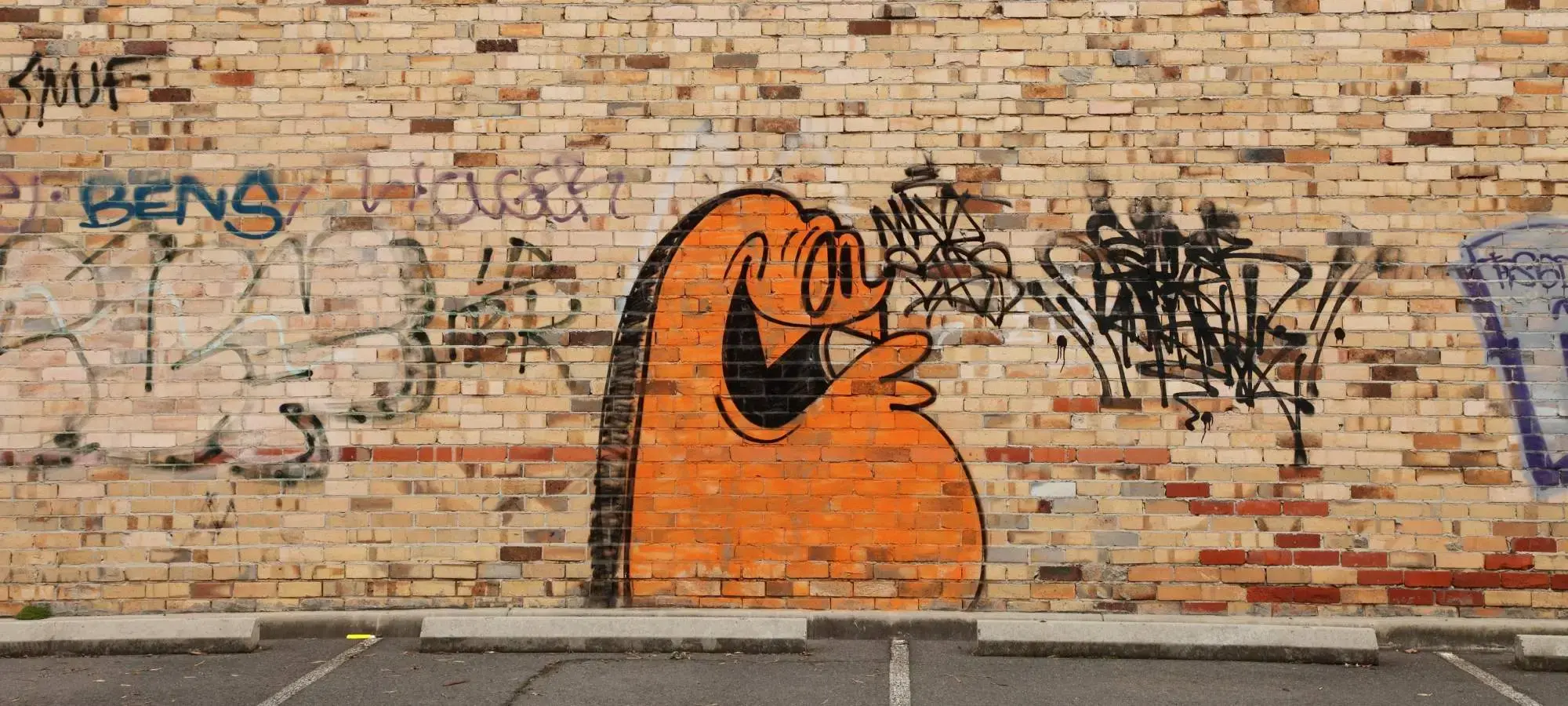
Graffiti on a blank wall is frustrating enough. Graffiti on outdoor signage or public art can be worse because the surface usually has detail you want to keep.
A mural might have fine colour work. A wayfinding sign might use reflective film, printed graphics or a powder-coated panel. A sculpture might have a carefully selected finish that should not be scrubbed with whatever solvent happens to be in the ute.
A professionally applied anti-graffiti coating creates a protective barrier over the surface, so paint, ink and marker are much easier to remove before they permanently stain or damage the asset.
Stywill Texture Coating applies anti-graffiti coating across public, commercial and infrastructure environments in NSW. We work on walls, signage and public assets that need to stay presentable after the first clean, the fifth clean and the next round of tagging after that.
Because yes, sometimes the taggers do come back.
How anti-graffiti coating protects outdoor surfaces
Anti-graffiti coating is designed to stop graffiti from bonding directly with the surface underneath. Instead of spray paint or marker soaking into porous concrete, painted signage, render, brick or metal, the coating creates a clear protective layer that can be cleaned using the correct removal method.
With outdoor signage and public art, this is especially useful because the goal is not simply to remove the graffiti. The goal is to clean the vandalism without stripping the original finish, dulling the surface or leaving a ghost stain behind.
A good system helps with:
- Faster graffiti removal after tagging
- Less aggressive cleaning in many situations
- Lower risk of permanent staining
- Reduced need for repeated repainting
- Better long-term presentation for public-facing assets
Stywill uses long-lasting, non-sacrificial anti-graffiti coatings.
The coating is designed to stay in place after cleaning, rather than being removed with the graffiti and reapplied each time. If you have assets that may be tagged repeatedly, that makes maintenance simpler and more cost-effective over time.
Where anti-graffiti paint fits into most projects
Anti-graffiti paint is often part of the protection plan for outdoor signage, murals and public-facing surfaces. The goal is to protect the surface now, so future graffiti is easier to clean off later.
But the exact product used depends on the surface. A painted mural may need a clear protective finish. A sign panel may need a coating that works with its existing face. A concrete or rendered wall may need cleaning and preparation before the protective layer is applied.
So, it helps to have the surface checked first. Stywill can look at the material, the condition of the surface and the way the asset is used before recommending the right anti-graffiti paint or coating system.
Because you want to keep the sign, artwork or wall looking clean without making every new tag a repainting job.
What makes signage and public art tricky
Public-facing assets are often harder to protect than plain masonry walls. There may be more than one substrate, the finish may be part of the design, and the location may be exposed to sun, rain, pollution, traffic residue and constant touch.
A simple wall can usually tolerate a more straightforward system. Signage and public art need more care.
Different materials need different prep
Outdoor signage can include aluminium composite panels, powder-coated metal, painted steel, acrylic faces, printed vinyl, timber, concrete bases and brick surrounds. Public art can be even more varied.
All these variables affect preparation. A coating that bonds well to concrete may not suit a smooth printed surface. A solvent that removes graffiti from one surface may damage another. A rough masonry base may need deeper cleaning and sealing before the final system is applied.
Preparation can include cleaning, decontamination, light abrasion where suitable, moisture checks, coating compatibility checks and test patches. It depends on the asset. The boring work before coating is usually the work that saves headaches later.
Public-facing assets need fast cleaning
Graffiti attracts more graffiti. Once a sign, mural or public artwork looks neglected, it can become a repeat target. Fast removal helps keep the area looking cared for. This is especially necessary around transport corridors, retail centres, schools, parks, council assets and civic spaces.
A graffiti-resistant coating makes that response easier. Maintenance teams can remove fresh tags with the correct cleaner and method, rather than repainting the whole panel or living with a stain until the next budget cycle.
Nobody wants a directional sign that looks like it lost a fight with a marker pen.
Clear coatings must protect the original finish
For public art, the finished look is important. A coating that changes the sheen too much, clouds the colour or creates visible patchiness can cause its own problem.
Test patches are sensible, especially on murals, textured finishes, aged surfaces and highly visible signage. The coating should protect the work without making the asset look different to before.
In some cases, a slight sheen change may occur. That does not make the system wrong, but it does mean the finish should be checked before full application. A small test area is much cheaper than coating the full artwork and then discovering the artist, council or project manager hates the result.
Why graffiti-resistant coating works better than repeated repainting
Repeated painting may seem cheaper at first. A tag appears, someone paints over it and the problem disappears for a while. But over time, that approach can leave outdoor signage and public art looking patched, thick, uneven or mismatched.
It can also create practical problems. Repainting a sign may cover important information. Repainting around public art can damage the original work. Repainting a background panel may require colour matching, access equipment, traffic control or after-hours work.
A graffiti-resistant coating helps avoid that cycle. Once the protective system is applied, future graffiti can usually be removed without repainting the asset each time.
But the cleaning method still needs to suit the coating and the surface underneath. And when the full system is specified properly, the asset has a much better chance of surviving repeated attacks without looking tired before its time.
For councils, transport operators, facility managers and commercial property owners, that can make a real difference. The asset stays cleaner, and maintenance becomes easier to plan.
Where Stywill can apply anti-graffiti coating
Stywill Texture Coating applies anti-graffiti coating to public, commercial and infrastructure assets across NSW. Our team has over 30 years of experience in protective and specialty coatings, including anti-graffiti systems, tunnel coating, noise barrier wall painting and related surface preparation work.
For outdoor signage and public art, we can assess and coat surfaces such as:
- Wayfinding signs and public information panels
- Council signage and park assets
- Murals and painted public walls
- Public art plinths, surrounds and panels
- Transport corridor signage and infrastructure assets
- Commercial signage exposed to street-level tagging
We can also advise where anti-graffiti protection should be used as part of a broader coating project. For example, a public wall may need repair, repainting and then clear protection. A sign structure may need preparation before the protective layer is added. A mural may need a test patch before the full coating is approved.
Surface condition, exposure, access, cleaning method and finish all need to be looked at before the work starts.
Keep signage and public art easier to clean
Outdoor signage and public art are easy targets because they are visible, accessible and often placed exactly where people gather. That is also why they are worth protecting properly.
Anti-graffiti coating gives councils, builders, property managers and asset owners a better way to manage tagging without constantly repainting or replacing damaged surfaces. It helps protect the original finish, reduces long-term maintenance and makes clean-up less painful when the next tag appears.
Protect your signage, public art and outdoor assets from repeat graffiti damage. Talk to Stywill Texture Coating for a site assessment and quote, call 02 9674 9700.
Frequently asked questions about anti-graffiti coating for outdoor signage and public art
Can anti-graffiti coating be used on outdoor signage?
Yes, anti-graffiti coating can be used on many types of outdoor signage, provided the surface is compatible and properly prepared. A site assessment helps confirm the right system for metal, painted, printed or coated sign surfaces.
Is anti-graffiti paint suitable for public art?
Anti-graffiti paint or coating can be suitable for public art, but the finish needs careful testing first. A clear test patch helps confirm whether the coating changes colour, sheen or surface texture before full application.
Will a graffiti-resistant coating stop graffiti completely?
A graffiti-resistant coating will not stop someone from tagging the surface. It helps stop the graffiti from bonding deeply, so the tag can be removed more easily with the correct cleaner and method.
Can you apply anti-graffiti coating after graffiti has already appeared?
Yes, but the existing graffiti needs to be removed first. If staining remains, the surface may need repainting or repair before the anti-graffiti coating is applied.
How long does anti-graffiti coating last outdoors?
The lifespan depends on the product system, surface, exposure and cleaning frequency. Outdoor assets in harsh sun, high-traffic areas or transport corridors should be assessed so the coating system matches the site conditions.