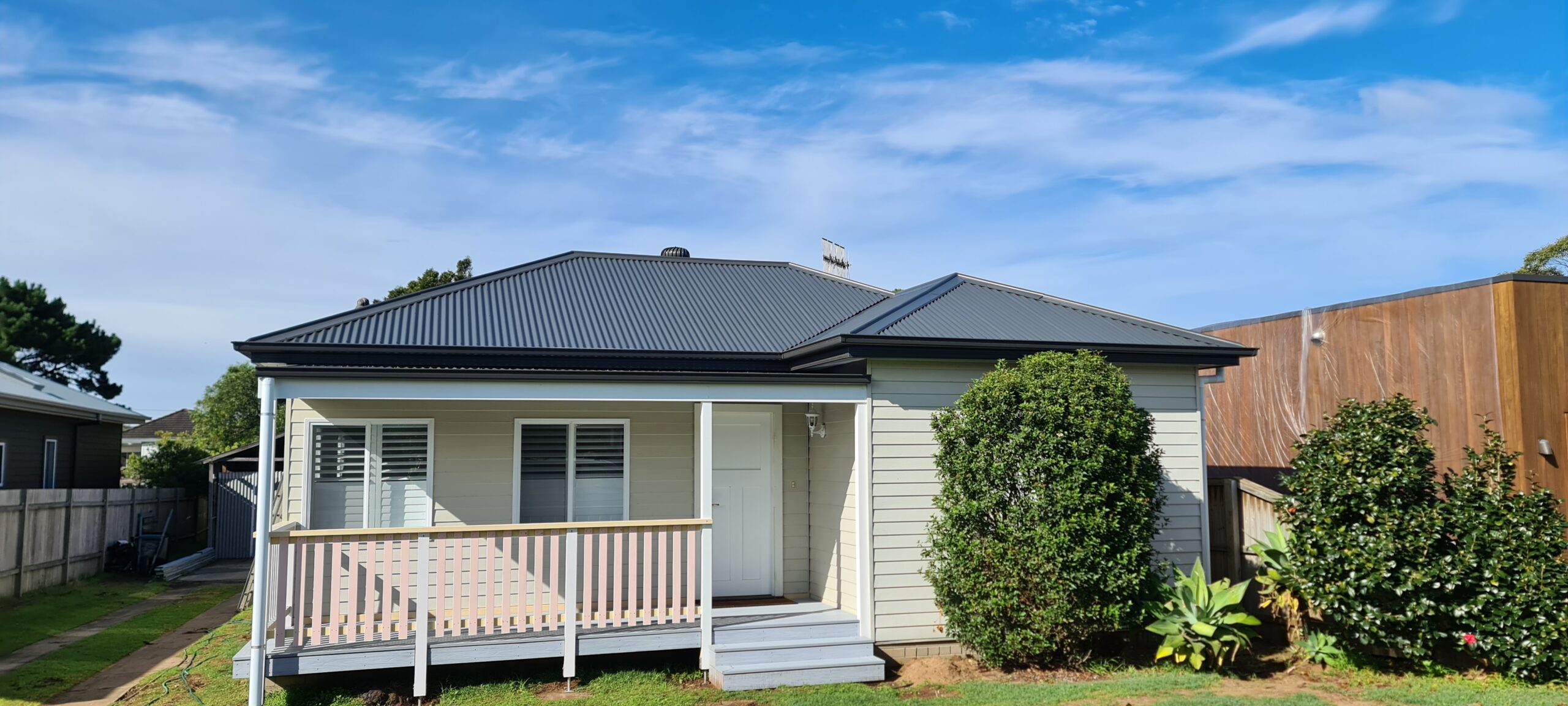
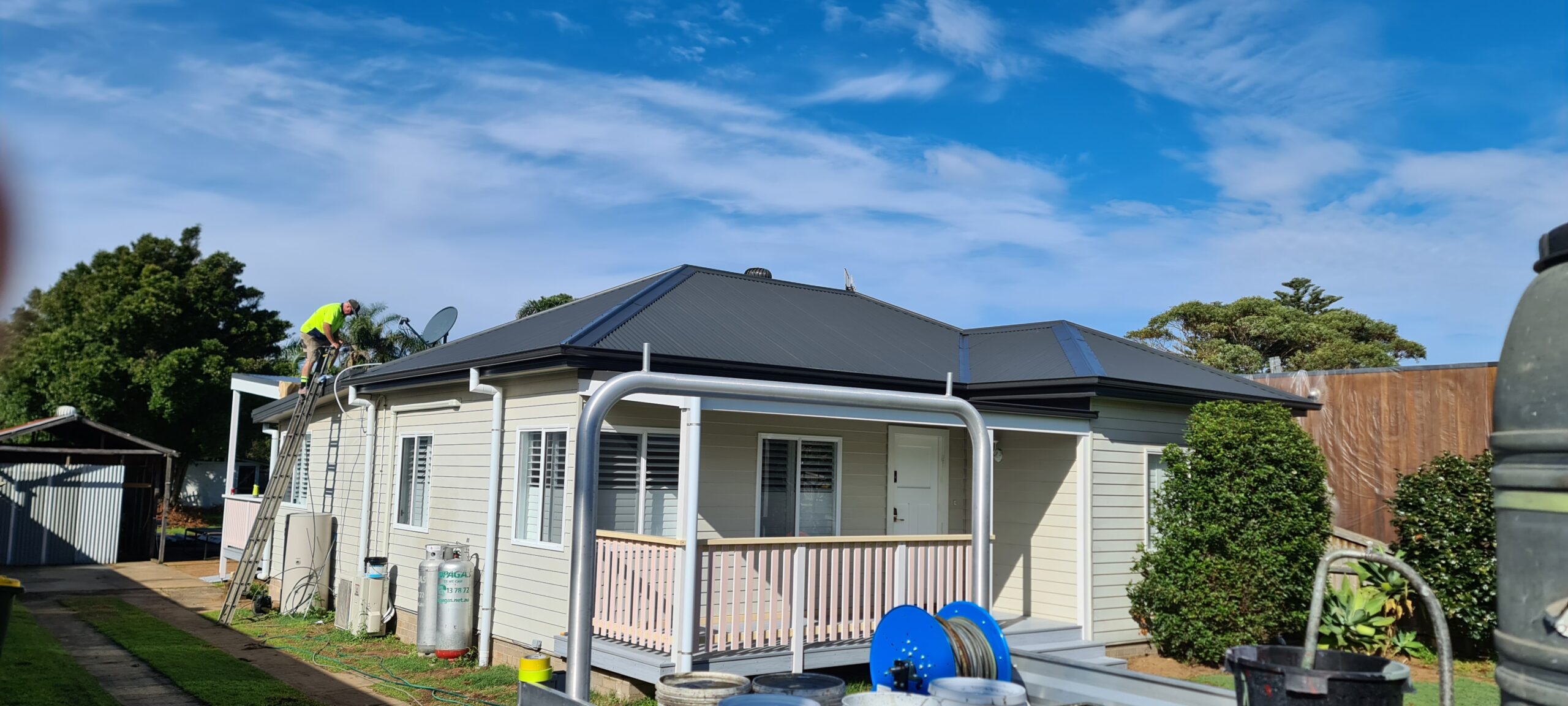
Not all types of roof coatings hold up the same way. Some shrug off UV, hail and salt air. Others chalk, crack or fade within a few seasons. Brand quality varies too, even within the same coating type. Pick the wrong one and you’ll be back up on the roof sooner than you’d like. Pick the right one, and a repaint or restoration will look sharp for years.
At Stywill Texture Coating, we assess the roof before recommending the coating system. That way, repairs, cleaning, primers and topcoats are matched to the roof rather than applied as a one-size-fits-all fix. For a full roof restoration in Sydney, we start by checking what the roof needs.
What types of roof coatings are available in Australia?
Four roof coating materials cover most jobs on Australian homes and commercial buildings: acrylic, silicone, polyurethane and asphalt. Each behaves differently once it’s exposed to sun, rain and roof movement.
| Coating type | Best suited to | Key traits |
| Acrylic | Residential roofs | Strong UV and hail resistance, economical, easy to apply, widely warrantied |
| Silicone | Commercial buildings, wet climates | Highly elastic, weather-resistant, rarely hardens or turns brittle, higher cost |
| Polyurethane | Hail-prone areas, high-traffic commercial roofs | Durable, UV stable, holds colour well, applied over existing membranes |
| Asphalt | Commercial roofs in cold, wet locations | Solvent-based or emulsion, available in black or aluminised finishes |
Choosing between these roof coating materials comes down to your roof type, budget and local climate. A tiled residential roof in Sydney has very different needs to a commercial membrane roof exposed to constant foot traffic.
What is a cool roof coating?
A cool roof coating is a reflective finish, usually acrylic-based, designed to bounce sunlight away from the roof surface rather than absorb it. It’s an important consideration in a country where roof temperatures can climb well past air temperature on a summer afternoon.
A good cool roof coating typically offers:
- Lower roof surface temperatures on hot days
- Reduced heat transfer into the ceiling space
- Better colour retention over time, since UV degrades pigment more slowly on a reflective surface
- Some reduction in cooling costs during summer
Dark-coloured roofs and homes with limited insulation tend to see the biggest benefit from a reflective, UV-resistant coating.
Preparation comes before the final coat
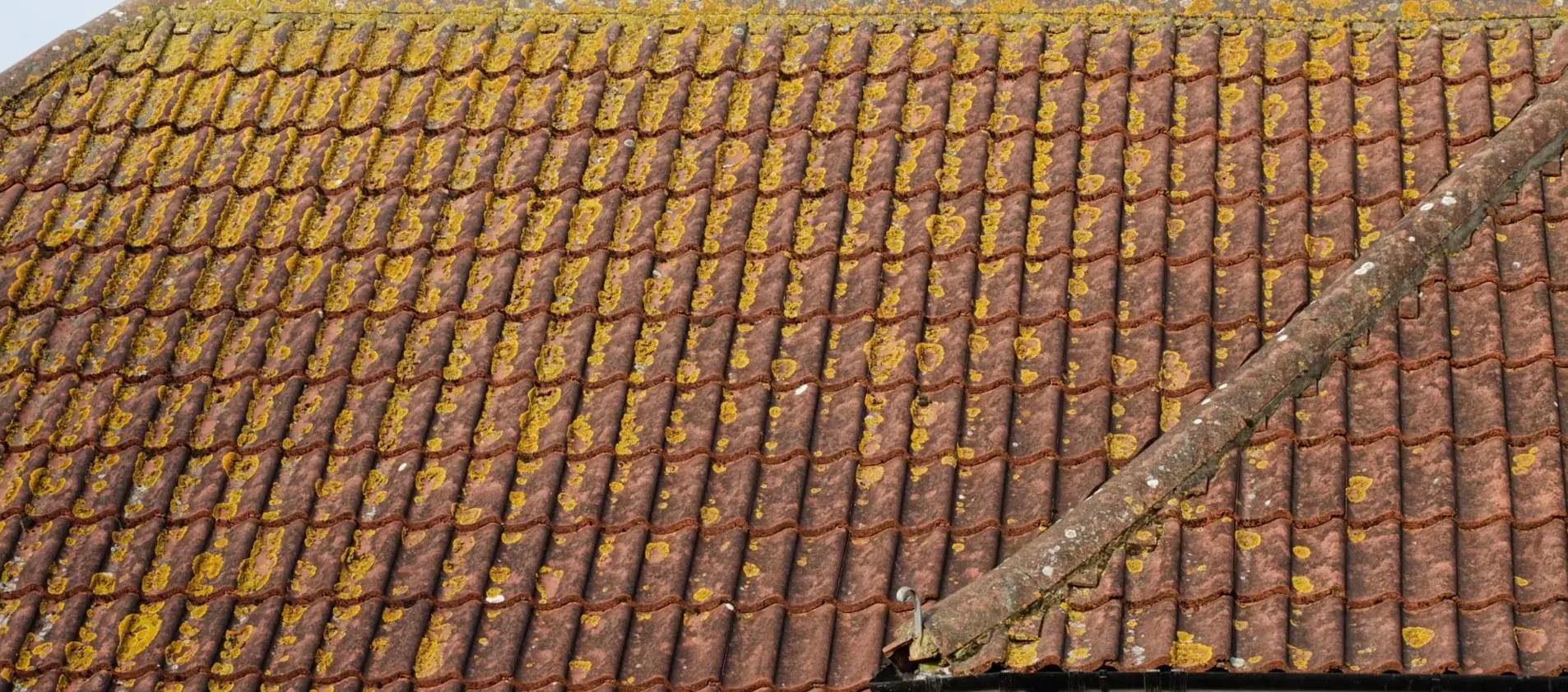
The coating is only one part of a roof restoration. Loose or broken tiles, worn ridge capping, rust, flaking paint and mould or lichen growth need attention before the new system goes on. Coating over those issues can leave you with a tidy-looking roof and the same underlying problems.
We clean the roof, carry out the required repairs and treat the surface before applying the appropriate primer, sealer and topcoats. That gives the new coating a clean, stable surface to adhere to.
Which roof coating is best for your home?
For most Australian houses, acrylic is the best roof coating available. It comes in a wide range of colours, costs less than silicone or polyurethane, and is formulated to withstand harsh Australian sun without breaking down early. It also works well over tile and metal, which covers the bulk of residential roofing.
Silicone and polyurethane are better on commercial and industrial roofs, where elasticity and traffic tolerance is more important than cost. For a home repaint or restoration, though, acrylic is where you’ll find the most value.
What is the best roof paint in Australia?
The best roof paint in Australia is the one engineered for local conditions. In Austalia, that means strong UV resistance, colour retention and enough flexibility to handle daily thermal movement without cracking. A paint built for a milder climate overseas won’t necessarily perform the same way under an Australian summer.
Why we use Tilemaster roof paint
At Stywill Texture Coating, we apply Tilemaster roof paint, made by Australian manufacturer Robertson’s Paint. It’s built specifically for Australian conditions, using advanced acrylic technology and fade-resistant pigments. Tilemaster restores and redecorates tile, metal and most other common roofing systems, and it’s weather-resistant, UV-resistant, and resistant to lichen and algae growth.
Its reflective, UV-resistant finish helps keep homes cooler through summer. Tilemaster is available in a wide range of modern colours and carries a 12-year quality guarantee. A roof restoration or repaint using Tilemaster is built to protect your roof (and keep it looking good) for years to come.
Roof repaints, resprays and restorations in Sydney
If your roof needs repainting, respraying or a full restoration, Stywill Texture Coating handles the job from start to finish. We use high-quality roof coating products to treat mould, guard against environmental damage and lift the overall look of your home.
We provide roof coatings in Sydney and the surrounding basin, and we back every job with straightforward pricing and a team that turns up when they say they will.
Want to know what your roof restoration will involve? Get in touch with our team for a free assessment.
Or call us directly on 02 9674 9700 for a competitively priced quote.