
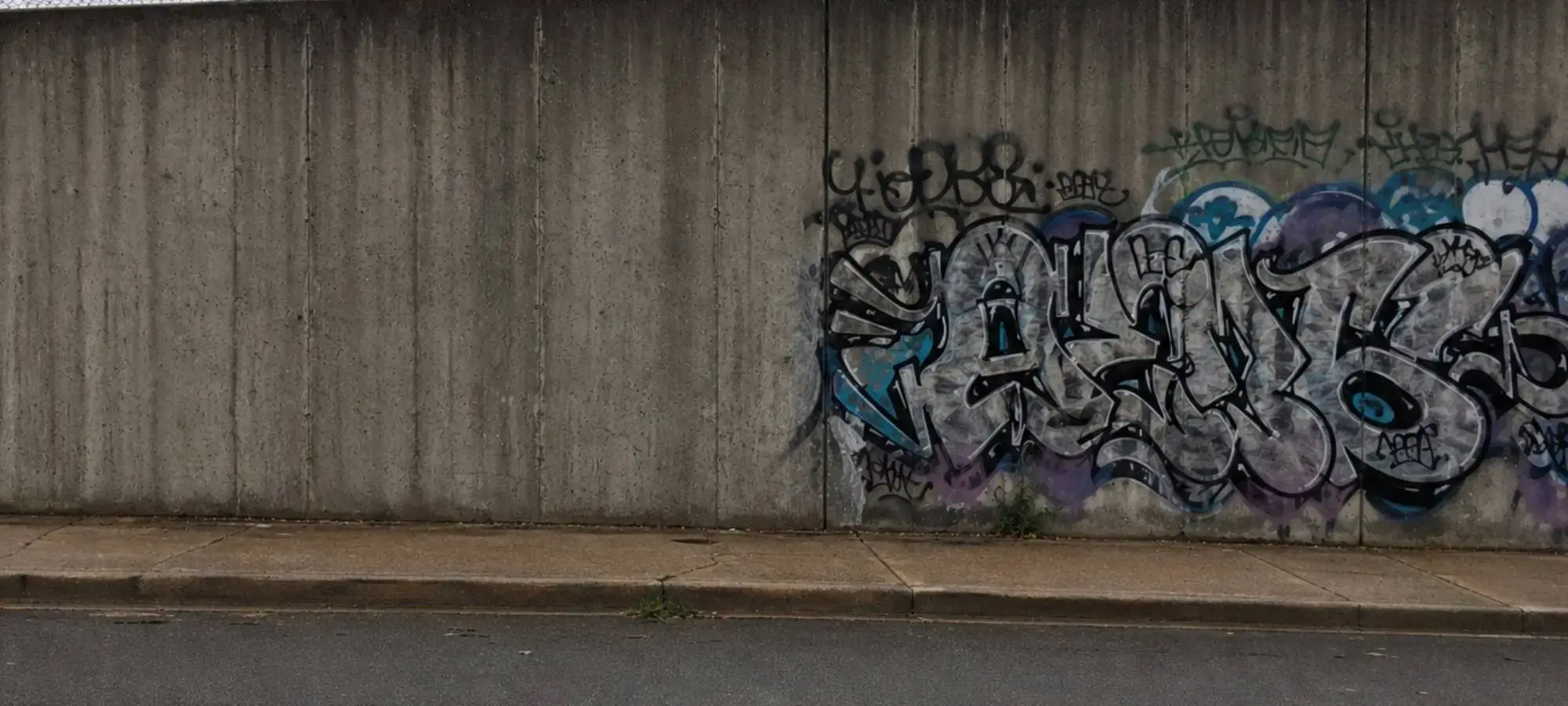
Anti-graffiti coating does make graffiti removal easier, but the surface still needs the right care. A good coating can only do its job if it’s cleaned properly, checked after tagging and protected from harsh methods that wear it down before its time.
That’s especially true on public-facing sites. Schools, transport corridors, commercial buildings, retaining walls, underpasses and signage all cop a bit from weather, dirt, stickers, marker pens and spray paint. And while some surfaces only get hit once, others get targeted again and again.
At Stywill Texture Coating, we apply long-lasting, non-sacrificial anti-graffiti coatings for walls, signage and public assets. These coatings are designed for repeated cleaning, but they’re still part of a system. The coating, the surface underneath and the cleaning method all need to work together.
Let the coating cure before cleaning
The first clean after anti-graffiti application should never be rushed. Most coating systems need time to cure before they can handle water pressure, cleaners or graffiti removal products. That cure window can change depending on the coating type, surface, temperature, humidity and site exposure.
Your applicator should tell you when the surface is safe to clean. Keep that date on record, especially if the site is managed by several people or contractors.
Cleaning too early can leave the coating dull, patchy or softened. You’ll end up with a wall that looks protected, but the coating may not be ready to take a scrub yet.
Use the right cleaning method for the coating
A non-sacrificial anti-graffiti coating is designed so graffiti sits on the protective layer rather than soaking into the surface. That’s the point. Spray paint, marker and some adhesives should be much easier to remove than they would be on bare brick, concrete or render.
But easier to remove doesn’t mean you can attack it with whatever’s in the shed.
Start with the cleaning method recommended for the coating system. For many coated surfaces, that may include low-pressure washing, warm water, a soft cloth, approved graffiti remover or a mild cleaning solution. The exact method depends on the product and the surface.
A few basics help keep the coating in better condition:
- Test a small area first, especially on textured render, older brick or decorative finishes.
- Work gently before increasing pressure or cleaner strength.
- Use approved graffiti removers only.
- Rinse the area properly after cleaning.
- Avoid abrasive pads, wire brushes and harsh scraping.
If graffiti has been left for a while, it may need a more careful clean. Don’t assume stronger is better. Stronger can mean damaged.
Clean graffiti as soon as you can
Graffiti removal is usually easier when it’s dealt with early. Fresh paint and marker are less likely to bond tightly to the surface, and the clean tends to be faster.
There’s another reason you’d want to act quickly: visible tagging can invite more tagging. A wall that stays marked for weeks can start to look like fair game. A wall that gets cleaned fast sends a different message.
For busy public assets, it helps to have a simple response plan. Decide who checks the site, who approves cleaning and who carries it out. That sounds a bit formal, but it stops the “I thought someone else was handling it” problem. Every facilities manager knows that one.
Watch the pressure washer
Pressure cleaning can be useful, but it needs to be controlled. Too much pressure, held too close, can damage the coating or the surface underneath. It can also force water into joints, cracks or older porous materials.
For coated surfaces, low-pressure cleaning is often the safer starting point. Keep the nozzle moving, hold it back from the wall and avoid blasting one area for too long. Corners, edges, joints and already-damaged sections need extra care.
If the site has older brickwork, textured coatings or heritage-style finishes, get advice before cleaning. Some surfaces need a lighter touch.
Don’t use harsh solvents without checking
Graffiti removers are not all the same. Some are made for bare masonry. Some are made for coated surfaces. Some are too aggressive for certain finishes.
Using the wrong solvent can cause clouding, softening, staining or loss of sheen. On a clear coating, that can be very obvious in daylight. On a coloured or textured surface, the damage may show up as patchiness.
Before using any chemical cleaner, check that it suits:
- The coating system
- The graffiti type
- The surface underneath
- The age and condition of the coating
- The site’s runoff and safety requirements
If you’re not sure, ask the applicator or coating supplier. Guesswork is likely to turn a quick clean into a repair job.
Remove stickers and tape carefully
Anti-graffiti coatings are often associated with spray paint, but stickers, posters, tape and labels can be a problem too. Adhesive residue can attract dirt, and aggressive scraping can cut into the protective layer.
Start by softening the adhesive using an approved method. Peel slowly rather than ripping. Then clean the residue with a suitable remover and rinse the area.
Metal blades should be avoided unless the coating supplier has specifically approved them for that surface. Even then, they need a careful hand. One careless scrape can leave a mark that catches the eye every time the sun hits it.
Keep routine dirt under control
Graffiti isn’t the only thing that affects coated surfaces. Dust, pollution, mould, bird droppings, leaf staining and road grime can all build up over time.
Routine cleaning helps the coating look better and makes future graffiti removal easier. The right schedule depends on the site. A wall beside a busy road will usually need more frequent cleaning than a sheltered wall inside a commercial property.
For many public and commercial sites, a visual check every few months is a sensible starting point. High-risk locations may need checking more often.
Look for dirt build-up, scratches, dull patches, peeling edges, failed joints and areas where water sits after rain. Small problems are easier to deal with before they spread.
Check the surface after every graffiti clean
After graffiti has been removed, take a minute to check the area properly. You’re looking for signs that the coating is still sound.
The surface should look consistent with the surrounding area. There should be no obvious softening, cloudiness, lifting, flaking or staining. If the same section has been cleaned several times, compare it with a nearby section that hasn’t been hit as often.
Repeated cleaning is exactly why a non-sacrificial coating is used, but every coating has limits. Heavy tagging, harsh cleaners and rough cleaning methods can shorten its life.
If the coating starts to look worn, call in a professional before the surface underneath becomes exposed again.
Keep records for managed sites
For schools, councils, strata buildings, transport assets and commercial properties, maintenance records are worth keeping. They don’t need to be fancy. A short log can help you spot patterns and manage future work.
Record the date of each tag, the location, the cleaning method used and any surface changes noticed afterwards. Photos help too. Take one before cleaning and one after cleaning.
This helps you work out which areas are being targeted, which surfaces are cleaning well and when a recoating inspection may be needed.
It can also help with budgeting. Nobody enjoys surprise maintenance costs, especially on a site that already has plenty going on.
Know when to call the applicator back
Some cleaning jobs are straightforward. Others need a specialist eye.
Call the coating applicator or a professional cleaning contractor if the graffiti covers a large area, the surface is high-value, the wall is textured or porous, or the tag contains unusual paint or permanent marker. You should also get help if a previous clean has left staining or dull patches.
This is especially important for public buildings, transport corridors, schools, commercial façades and infrastructure assets. Those surfaces often need to stay presentable, safe and consistent across large areas.
A professional can assess the coating, choose the right cleaning method and advise whether any touch-up or recoating is needed.
Keep anti-graffiti maintenance simple
Good anti-graffiti maintenance comes down to a few habits. Let the coating cure. Clean tags quickly. Use the right method. Avoid harsh tools and chemicals. Check the surface afterwards.
That’s the practical stuff.
A well-applied coating gives you a much better chance of keeping walls, signage and public assets clean without repeated repainting. But the best results come when the coating is treated as part of an ongoing maintenance plan, not a ‘set and forget’ finish.
Stywill Texture Coating applies protective coatings and carries out building restoration work across NSW. We specialise in noise barrier wall painting, anti-graffiti coatings, tunnel coating and roof restorations, backed by 30 years of on-site experience.
Protect your walls, signage and assets from graffiti damage. Contact our team for a site assessment and quote.
Frequently asked questions
How soon can you clean graffiti after anti-graffiti coating is applied?
Only clean the surface after the coating has fully cured. The safe-to-clean window depends on the coating system, weather and surface type, so follow the applicator’s advice before using water pressure or cleaning products.
Can pressure washing damage anti-graffiti coating?
Yes, if the pressure is too high or the nozzle is held too close to the surface. Low-pressure cleaning is usually a safer starting point, especially on textured render, brick, older surfaces and coated public assets.
Do anti-graffiti coatings stop graffiti completely?
No. They don’t stop someone from tagging a wall. They create a protective surface that makes graffiti removal easier and helps reduce the chance of paint soaking into the substrate.
How often should anti-graffiti coated surfaces be inspected?
High-risk public sites should be checked often, especially after weekends, events or school holidays. Lower-risk commercial surfaces may only need periodic inspections, with extra checks after storms, vandalism or heavy public use.