
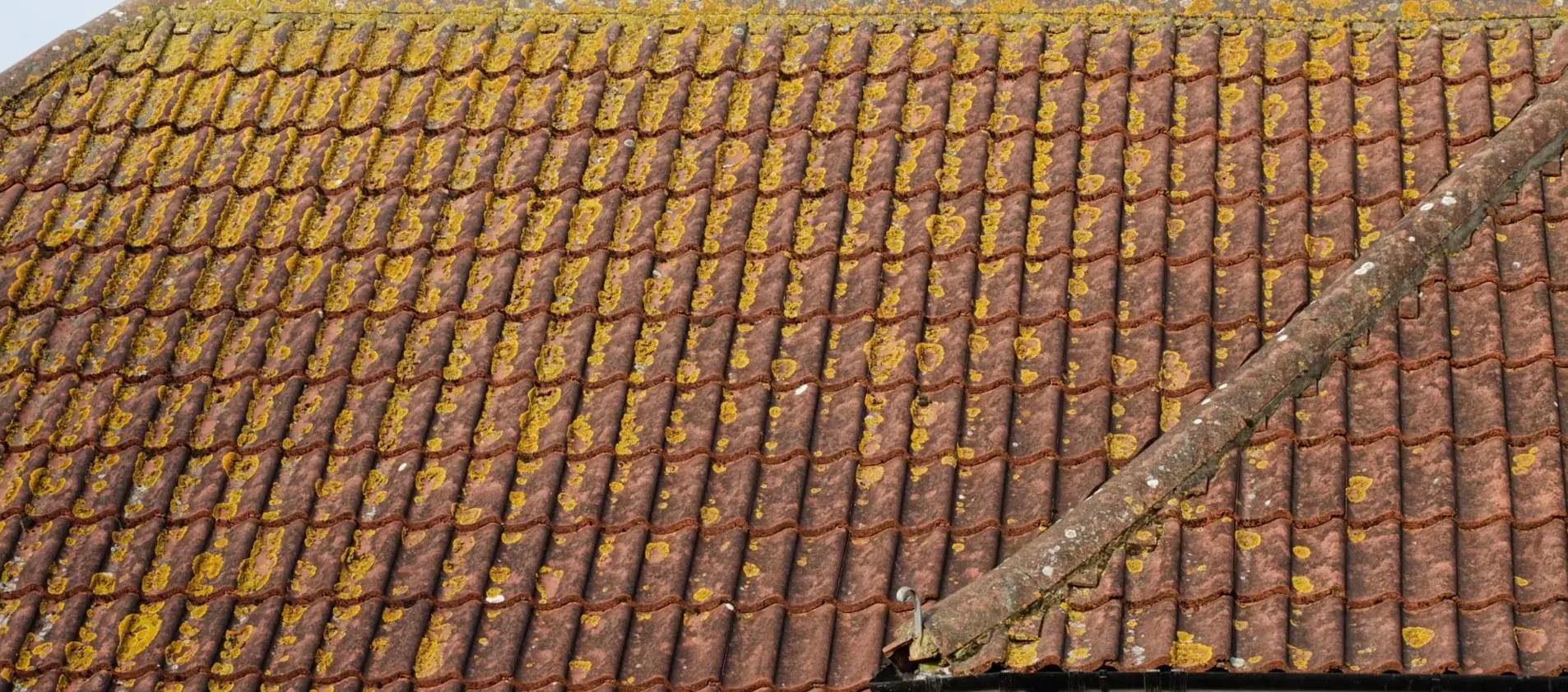
You glance up at your roof and notice a few dark patches. Nothing too alarming. Then, a few months later, those patches have spread, one side of the roof looks almost black and small clumps of green growth have appeared between the tiles.
You have roof mould, and it has finally grabbed your attention.
Fortunately, dark or green growth doesn’t always mean your roof is badly damaged. It may only need a thorough clean. But if the tiles are worn, cracked or losing their protective surface, cleaning alone may leave you back where you started before long.
And that’s not something you can tell just by looking at your roof from the driveway.
Stywill Texture Coating carries out roof restorations across Sydney and the wider Sydney basin. We inspect the roof, clean away built-up growth and grime, complete the required repairs and apply a protective roof coating where needed.
What is roof mould?
People often use roof mould as a broad name for any black, green, brown or white growth they see on their roof. Sometimes it really is mould. In other cases, you could be looking at algae, moss, lichen or ordinary staining.
All of them can make a roof look tired. Some can also hold moisture against the tiles, spread into gaps and make existing wear worse.
You’re more likely to find biological growth in areas that stay damp for longer, such as:
- The shaded side of your roof
- Areas beneath overhanging trees
- Valleys where leaves and dirt gather
- Sections that receive little direct sunlight
- Older or weathered tiles that absorb more moisture
Sydney’s periods of rain, humidity and warm weather can give growth plenty to work with. Once spores settle on a suitable surface, damp and shade help them spread.
Learn what is growing on your roof
You don’t need to become a roof biologist. A few simple clues can still help you understand what you’re looking at.
Mould
Mould may appear as irregular black, green or brown spotting. It often develops where dirt, organic debris and moisture collect.
Finding mould on a roof doesn’t automatically tell you how sound the tiles are. You need to look at the roof as a whole, including its age, surface condition and any signs of cracking or water entry.
Algae
Algae often causes dark streaks or broad black-green patches. From the ground, it can easily be mistaken for mould or dirt.
It tends to spread across damp, shaded sections rather than forming thick clumps. A roof can look badly stained even when much of the problem is surface growth.
Moss
Moss is usually easier to spot because it forms soft, raised green clumps. It can grow between tiles, around ridge capping and in areas where water drains slowly.
Moss holds water like a sponge. As it thickens, it may also interfere with the way water runs down and between the tiles.
Lichen
Lichen commonly forms flat, crusty patches in white, grey, green, yellow or orange shades. It grips the surface firmly and can be far harder to remove than loose dirt or algae.
Heavy lichen on roof tiles should be dealt with carefully. Scraping or using too much pressure can strip or damage an already worn tile surface.
General dirt and staining
Your roof is exposed to dust, pollution, leaves, bird droppings and debris every day. These can create dull or dark areas without active biological growth being present.
Stains may also come from metal runoff, rust, old coatings or uneven weathering. That’s why a proper inspection should come before anyone decides how the roof needs to be treated.
Why does mould grow on a roof?
Moisture is usually what gets things started. Roof sections that dry slowly give mould, algae, moss and lichen more time to settle and grow.
Shade can make the problem worse. A roof beneath large trees may receive little sun, while fallen leaves can collect in gutters, valleys and behind roof fixtures. That debris traps further moisture and gives spores organic material to grow on.
The condition of the tiles also has a part to play. Older concrete tiles can become more porous as their original surface wears down. They may absorb and hold more water than they once did.
Other possible causes include poor drainage, blocked gutters, damaged tiles and areas where water regularly pools or tracks. A proper inspection can show whether you’re dealing with a cleaning job or a bigger roof problem.
What can happen if you leave roof mould untreated?
A few marks won’t cause your roof to collapse overnight. Still, waiting for the growth to cover half the roof is not a good plan.
Mould, moss and lichen can keep parts of the roof damp for longer after rain. Moss may build up in drainage channels or break away and collect in the gutters. Thick growth can also hide cracked tiles, loose ridge capping and worn sections that you would otherwise notice sooner.
Over time, you may face:
- A roof that looks older and more neglected than it is
- Moisture sitting against worn or porous tiles
- Blocked gutters, valleys or tile drainage channels
- Existing cracks and coating damage becoming harder to spot
- More preparation work when the roof is finally cleaned or restored
- Faster return of growth if the worn roof surface is left untreated
The longer the problem is left, the harder it may be to tell where surface dirt ends and tile wear begins.
Avoid treating every dark patch the same way
Spotting mould on your roof doesn’t mean you should grab a pressure cleaner and blast away until the tiles look new.
Roof tiles can be damaged by poor cleaning methods, especially when they’re old, brittle or already losing their surface coating. Walking on the roof also carries an obvious fall risk and may crack tiles underfoot.
The right cleaning method depends on the roof material, its condition and the type of growth present. Stubborn lichen may need different treatment from light algae staining. A tiled roof may also need a different approach from a metal roof.
A professional can safely inspect the surface first and choose a method that removes the growth without causing extra damage.
When roof mould removal may be enough
Straightforward roof mould removal may be enough when the roof is otherwise in sound condition.
This is more likely when:
- The tiles are still solid, and their surface is in reasonable condition
- There are no widespread cracks or broken tiles
- Ridge capping and pointing remain secure
- The growth is fairly recent
- There are no signs of leaks or water damage
- The discolouration is mainly surface-level algae, dirt or light mould
Cleaning should remove the build-up and give you a much clearer view of the roof beneath it. The roof may still look faded after cleaning, though, particularly if the tiles have weathered unevenly over many years.
Colour loss doesn’t always mean the roof has failed. It does show that cleaning and restoration are two different jobs.
When a roof restoration may be the better choice
A roof restoration may be recommended when cleaning reveals worn tiles, damaged pointing, cracks or an old coating that has broken down.
Stywill’s roof restoration process starts with an inspection. The team checks the roof’s overall condition, including mould, moss, lichen, damaged tiles and signs of water or weather damage. Cleaning and repairs can then be completed before the coating is applied.
Your roof may need more than cleaning if you notice:
- Widespread fading or a chalky tile surface
- Cracked, loose or broken tiles
- Damaged ridge capping or pointing
- Water marks inside the roof or ceiling
- Growth that keeps returning quickly
- An old coating that is peeling or wearing away
- Heavy lichen on roof tiles across several sections
A full restoration can include cleaning, replacing broken tiles, repairing ridge capping and preparing the surface for recoating. The exact work depends on what the inspection finds.
How a protective coating helps after cleaning
Once the roof has been cleaned and repaired, a suitable protective coating creates a new finished surface over the prepared tiles.
The coating can improve the roof’s colour and give weathered tiles a more even finish. It also helps reduce how readily the surface takes up moisture, which can make the roof less welcoming to future biological growth.
Preparation comes first. Coating over dirt, live growth or a poorly prepared surface can lead to poor adhesion and an uneven result. The roof needs to be properly cleaned, checked and repaired before coating begins.
A coating won’t stop every spore from ever landing on your roof. Trees will still drop leaves. Dust will still settle. Sydney will still have damp weeks. But a sound, properly coated surface is easier to maintain than a worn and porous one.
Help stop roof mould from coming back
You can’t control the weather, but you can reduce some of the conditions that help growth return.
Keep nearby branches trimmed where practical so the roof receives more sunlight and fewer leaves. Check that gutters and downpipes are clear, particularly after storms or heavy leaf fall.
It also helps to:
- Arrange periodic roof inspections
- Remove leaf build-up before it turns into wet compost
- Deal with cracked or shifted tiles early
- Check roof valleys and areas around skylights or solar panels
- Watch for new dark streaks or green patches
- Have recurring growth checked rather than repeatedly cleaning the visible surface
Please don’t climb onto the roof for a closer look unless you have the right safety equipment and experience. Binoculars, an upstairs window or a clear ground-level view can tell you plenty without putting you at risk.
Get your roof checked before the growth spreads
It can be hard to judge the condition of a roof from the ground. A dark patch may be harmless staining, active growth or a sign that an old tile surface is holding moisture.
Stywill Texture Coating has over 30 years of experience in protective coatings and building restoration work. We carry out full roof restorations across the Sydney basin, from cleaning and repairs through to the final coat.
We’ll inspect the roof, explain what it needs and let you know whether cleaning is enough or a restoration is the sensible next step.
Want to get on top of roof mould before it spreads further? Contact Stywill Texture Coating for a roof assessment and quote, or call 02 9674 9700.
Frequently asked questions about roof mould
Can roof mould damage roof tiles?
Light surface growth may cause little immediate harm, but thick mould, moss or lichen can hold moisture against the roof and hide worn or cracked areas. The risk depends on the roof material, its age and the condition of the tile surface.
Can I pressure wash mould off my roof?
High-pressure cleaning can damage some roof surfaces when the wrong pressure, equipment or technique is used. It’s safer to have the roof inspected first so the cleaning method can be matched to the material and its condition.
How can I tell whether it is mould, moss or algae?
Mould often appears as patchy spotting, algae tends to form dark stains or streaks and moss grows in soft, raised clumps. Lichen forms hard, crusty patches that grip the tile surface firmly.
Will roof mould come back after cleaning?
It can. Spores, moisture, shade, overhanging trees and worn tiles can all lead to regrowth. Keeping the roof clear of debris and dealing with worn or porous surfaces may help it stay cleaner for longer.
Does every mouldy roof need restoration?
No. Roof mould removal and cleaning may be enough when the tiles, ridge capping and existing surface are still in sound condition. Restoration may be recommended when cleaning exposes cracks, broken tiles, loose pointing or a badly worn coating.
Can you coat a roof straight after removing mould?
The roof must be properly cleaned, treated, checked and prepared before coating. Any damaged tiles or ridge capping should also be repaired so the new coating is applied to a clean and stable surface.