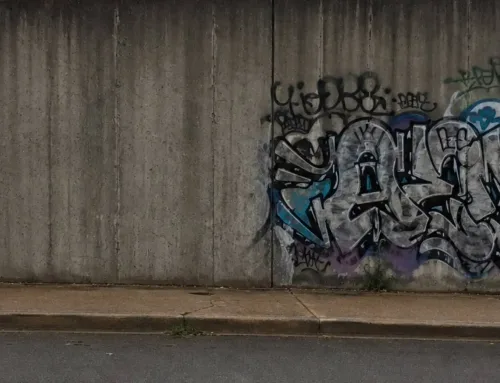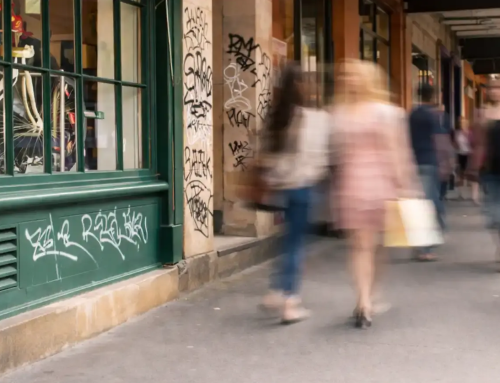

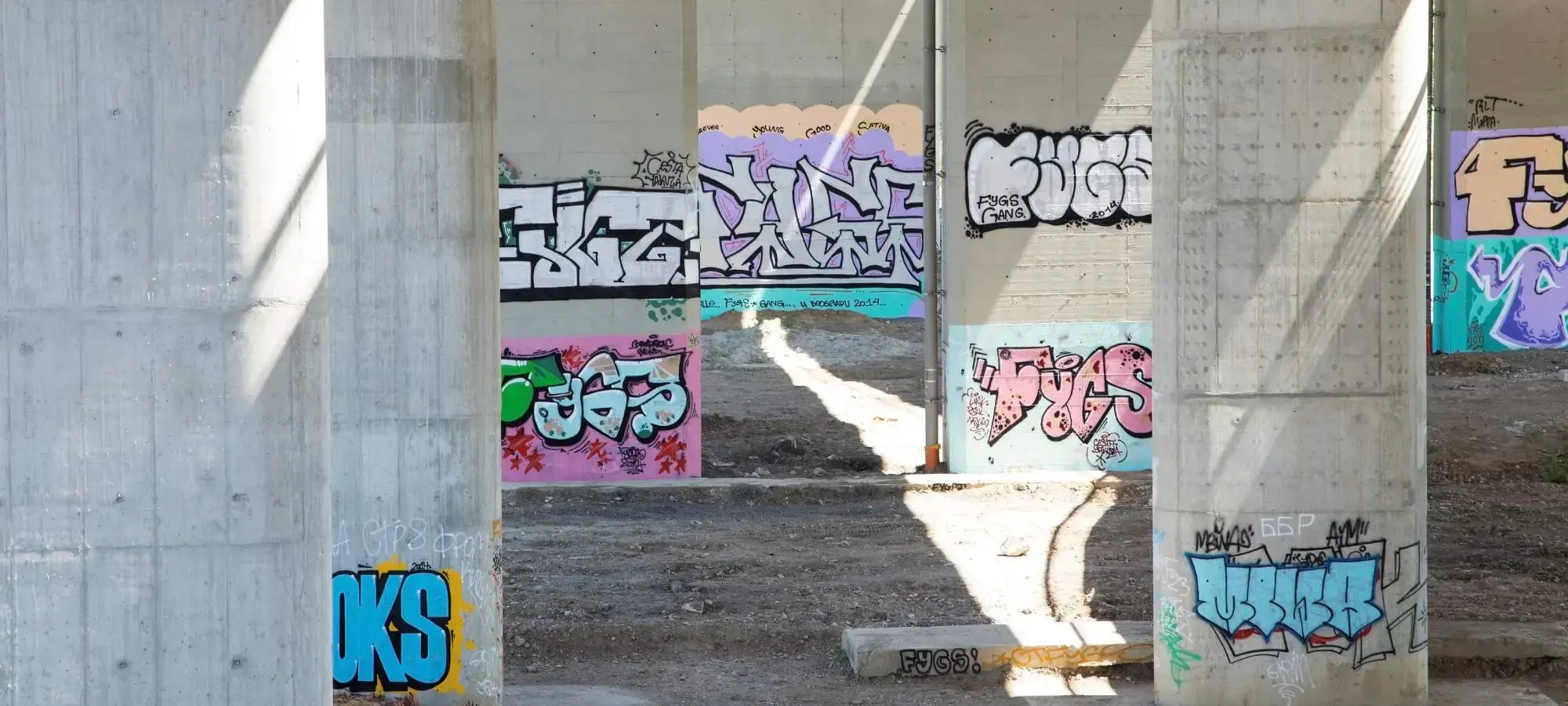
Graffiti happens fast. Removal needs to be faster. If you manage buildings, car parks, or noise walls in Sydney or across NSW, you’ve likely been asked to choose between anti-graffiti paint and an anti-graffiti coating. This guide breaks down anti-graffiti paint vs coating in plain language so you can match the right system to risk, budget, and surface. And keep the assets you manage looking professional with less downtime.
Tags, rapid reoffending, and budgets
Fresh tags attract more tags. If a wall sits dirty for a week, the issue compounds. Your specification should prioritise two things:
- quick, safe cleaning after each incident, and
- predictable whole-of-life cost over the asset term (not just the upfront drum price).
The difference between paint and coating really shows up during cleaning, not day one.
What’s the difference between paint and coating?
At a high level, both aim to stop inks and aerosols from soaking in. But they do it differently and demand different after-care.
Composition and how they block ink/paint
- Anti-graffiti paint (often a pigmented topcoat with graffiti-resistant properties) gives you colour and coverage. It tends to be more permeable than a true barrier coat, so repeated hot-spot cleaning can dull or mark the finish sooner.
- Anti-graffiti coating creates a tighter, clear film that resists penetration. The substrate colour or base paint shows through, while the coat itself takes the cleaning action.
Removal method and downtime
- With paint, removal may rely on milder solvents and soft pads. Persistent tags can linger, and repeated spot-cleaning in one area may require touch-ups to the coloured paint layer.
- With coating, cleaners usually wipe or lightly agitate with an approved remover; the barrier lets the tag release cleanly. The finish tends to look consistent even after many cleaning cycles.
Anti-graffiti paint vs coating in practice
Sydney’s UV, salt on coastal corridors, and high-traffic sites (transport hubs, laneways, underpasses) push products hard. Match the system to the risk:
When “paint” makes sense
- Lower-risk sites with occasional tagging
- Assets already due for a colour refresh, where uniform colour matters most
- Interiors or shaded areas with less UV load
- Tight upfront budgets where you accept more frequent touch-ups
When a “coating” is the better call
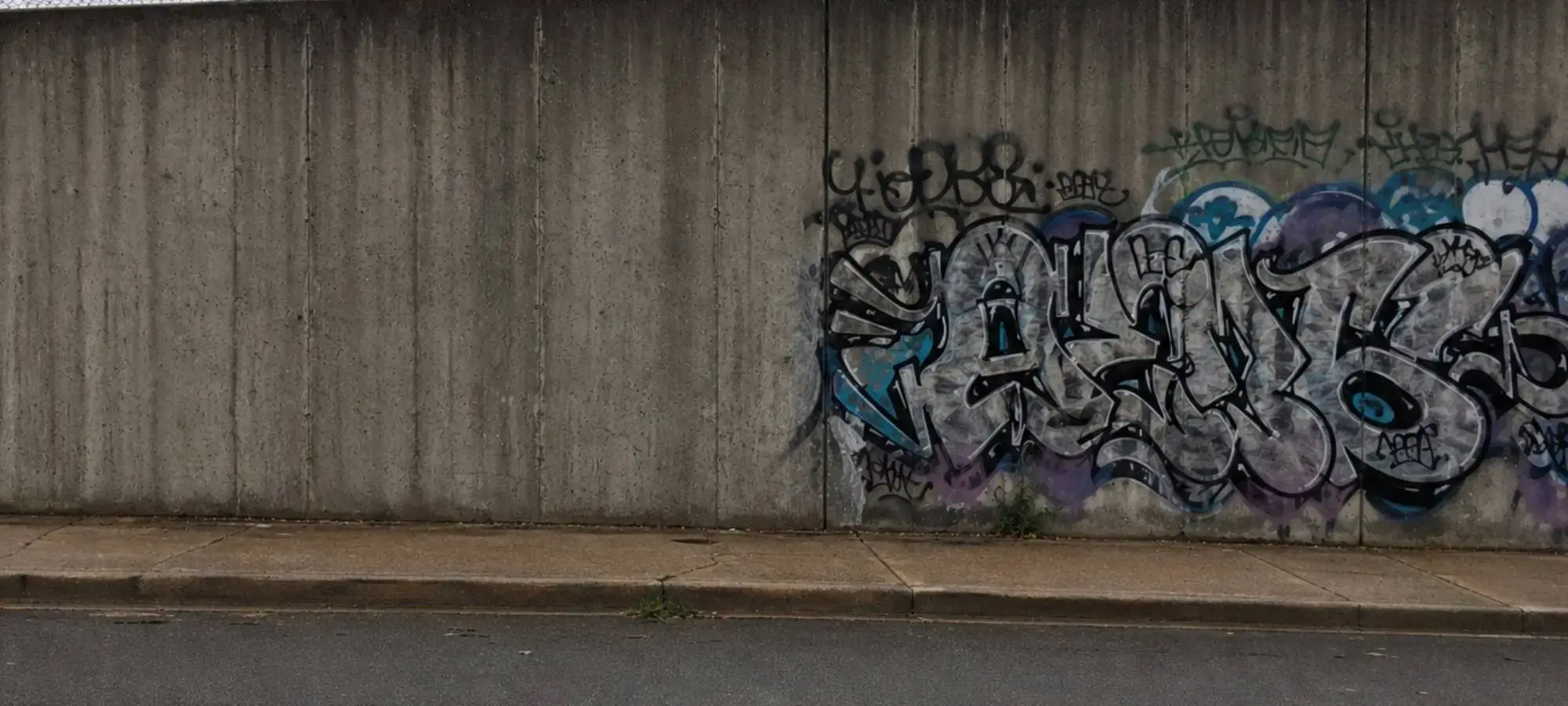
- High-frequency tagging hot spots (noise attenuation walls, rail corridors, car-park entries)
- Textured or porous substrates (precast, concrete block, render) that are harder to clean bare
- Sites needing fast turnaround after incidents (public-facing, retail frontages, schools)
- Whole-of-life savings are the priority (fewer repaints, consistent appearance)
Compare at a glance
| Attribute | Anti-graffiti paint (pigmented) | Anti-graffiti coating (clear barrier) |
| Primary role | Colour, with some resistance | Release barrier, easy cleaning |
| Appearance | Opaque colour; can match scheme | Clear; keeps existing colour/finish |
| Cleaning | Mild solvents; risk of burnishing | Wipe/approved remover; low abrasion |
| Reoffending impact | Touch-ups show sooner on hot spots | Finish stays more even after cycles |
| Upfront cost | Lower to moderate | Moderate to higher |
| Lifecycle cost | Higher with frequent tags | Lower at high-risk sites |
| Best for | Light-risk walls, interiors | Noise walls, car parks, high-risk zones |
| Coatings cost more upfront but usually win where tagging is frequent due to faster, cleaner removal and fewer visible touch-ups. | ||
Anti-graffiti solutions in NSW: lifecycle, cleaning, and cost
Think of cost over three levers: incidents × cleaning time × repaints. A clear barrier coating usually trims the second and third. On jobs with weekly tagging, that adds up fast. For quieter sites, a good graffiti-resistant paint might be the sensible spend, especially if you’re already repainting for colour.
Build your spec around:
- Substrate & texture: The rougher or more porous the surface, the more a barrier helps.
- Cleaning method & crew: Confirm approved removers and pads. Train contractors on the system, not just “whatever solvent is in the ute.”
- Response SLA: If you must clean within 24–48 hours, choose the system that lets you do that safely and consistently.
- Future colour changes: If you plan to change colours later, paint can simplify the refresh; coatings can go over colour but need system compatibility checks.
Common surfaces and traps to avoid
- Precast & off-form concrete: Coating shines here; it keeps that uniform look after many cleans.
- Rendered block & textured panels: Porosity + texture makes paint touch-ups obvious. A coating reduces scuff patterns from repeat cleaning.
- Previously painted walls: If the underlying paint is sound, you can either:
- recolour with a graffiti-resistant paint and accept more touch-ups, or
- lock in the look with a clear coat for easier wipe-offs.
 |
Using harsh solvents on the wrong system is a trap to avoid. You might strip sheen, patch-gloss the area, or drive pigment deeper. Always follow the selected system’s removal procedure. |
Check the substrate, set the service level, then deploy
On an audit, note hot-spots, access limits (night shifts, traffic control), and any heritage or council requirements. From there, choose:
- Paint for occasional tagging and planned colour work, or
- Coating for high-risk, high-visibility assets where quick cleaning and consistent appearance matter.
Then document the cleaning method in your maintenance plan so a new contractor doesn’t undo the system on the first call-out. That’s how anti-graffiti solutions in NSW deliver predictable results year-round.
Need a site-specific recommendation? Book a short site assessment or send your plans/spec for a quick check. We’ll match the system to your substrate, risk level, and cleaning workflow.
Anti-graffiti paint vs coating FAQs
Is anti-graffiti paint enough for a busy tagging hotspot?
Often not. Pigmented anti-graffiti paint helps, but repeated cleaning in one area can show wear and patchiness sooner. A clear, non-sacrificial coating usually cleans faster, stays more uniform after multiple incidents, and reduces repaint frequency at high-risk sites (car parks, noise walls).
Will a clear coating make my wall look glossy?
It depends on the system. Many barrier coats are available in low-sheen or matte, so you can retain a natural concrete or painted look. Always test a small area. Check for compatibility with existing paints and confirm the approved cleaning solvents and pads to avoid sheen changes.
How do I budget – upfront vs lifecycle cost?
Price the whole year. Look at incidents per month, average clean time, labour call-outs, and repaints. Paint typically costs less upfront, but coatings often cut cleaning time and repainting on high-frequency sites. For quiet walls, graffiti-resistant paint can be the smart spend, but hot spots justify a coating.