Can You Apply Anti-Graffiti Coating Over Textured or Painted Surfaces?
If you manage a building, retaining wall or public asset that’s already been painted or has a textured finish, it’s wise to ask whether anti-graffiti coating can go straight over the top. And the short answer is yes; most modern anti-graffiti coatings are designed to bond to painted and textured walls and substrates. But how well they perform depends on the condition of that surface and the prep work done before application.
Here’s what you need to know before you coat.
What makes textured surfaces tricky
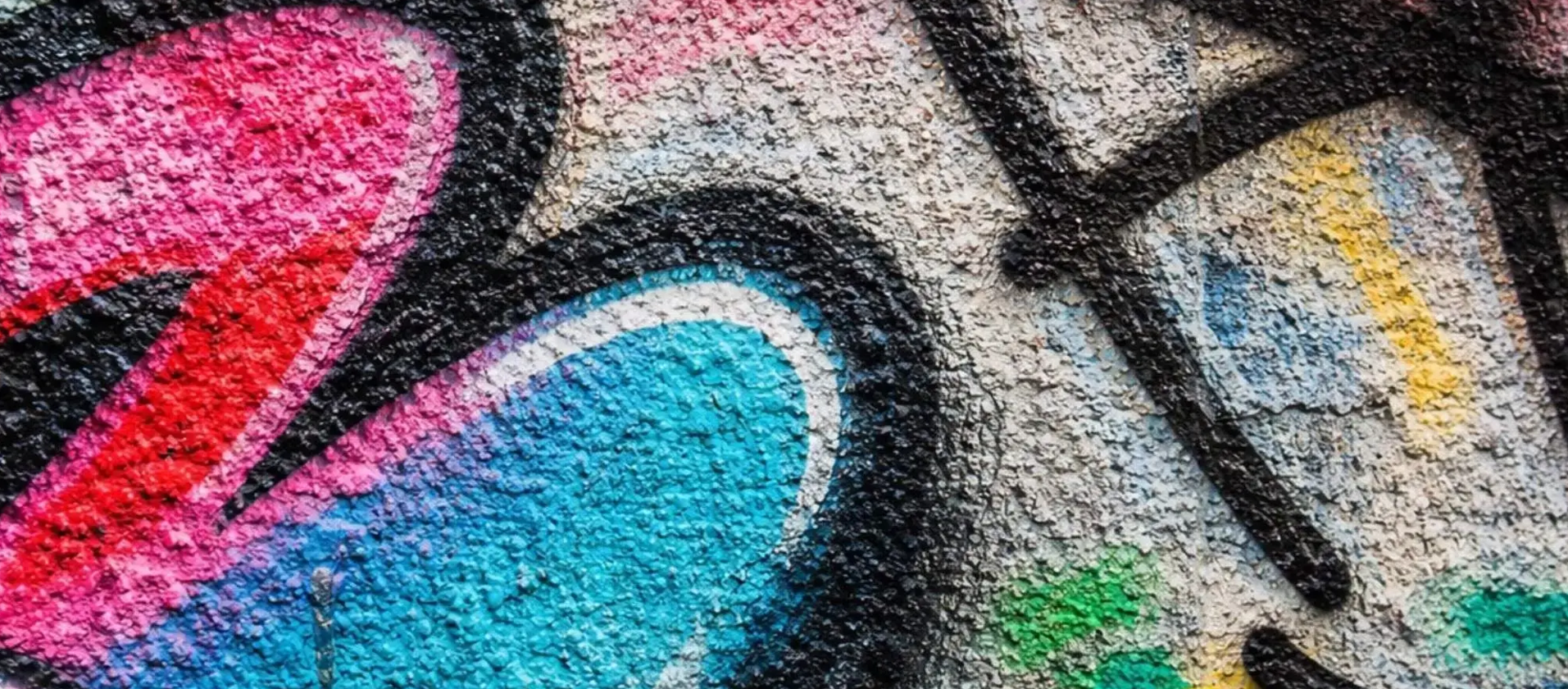
Textured finishes like rendered walls, split-face block, Granosite texture coatings, and roughcast concrete have an uneven surface profile. That causes problems in two directions:
- Spray paint sinks into the grooves and pores of a rough surface, making graffiti harder to remove even with a coating in place.
- The anti-graffiti coating itself needs to cover every ridge and valley to form a continuous barrier. If you miss a pocket, that’s where the next tag will stick.
Coatings applied to textured walls usually need a heavier application rate than the same product on a smooth concrete panel. And on highly porous substrates, a pore-filling primer coat may be needed first so the anti-graffiti layer stays on top of the texture instead of soaking into it.
Applying anti-graffiti coating over existing paint
If you’re working with previously painted surfaces, you’ll find they are generally easier to coat. Provided the existing paint is still in good shape. The anti-graffiti coating will bond to the paint layer and form a clear protective film over the top.
Two conditions need to be right before you apply:
- The existing paint should be well-adhered, with no flaking, peeling or chalking.
- It needs to be fully cured. Newly painted and rendered surfaces can take days or even weeks to chemically cure depending on the product. If you apply the anti-graffiti coating too early, you could sit with adhesion failure, yellowing or colour changes later on.
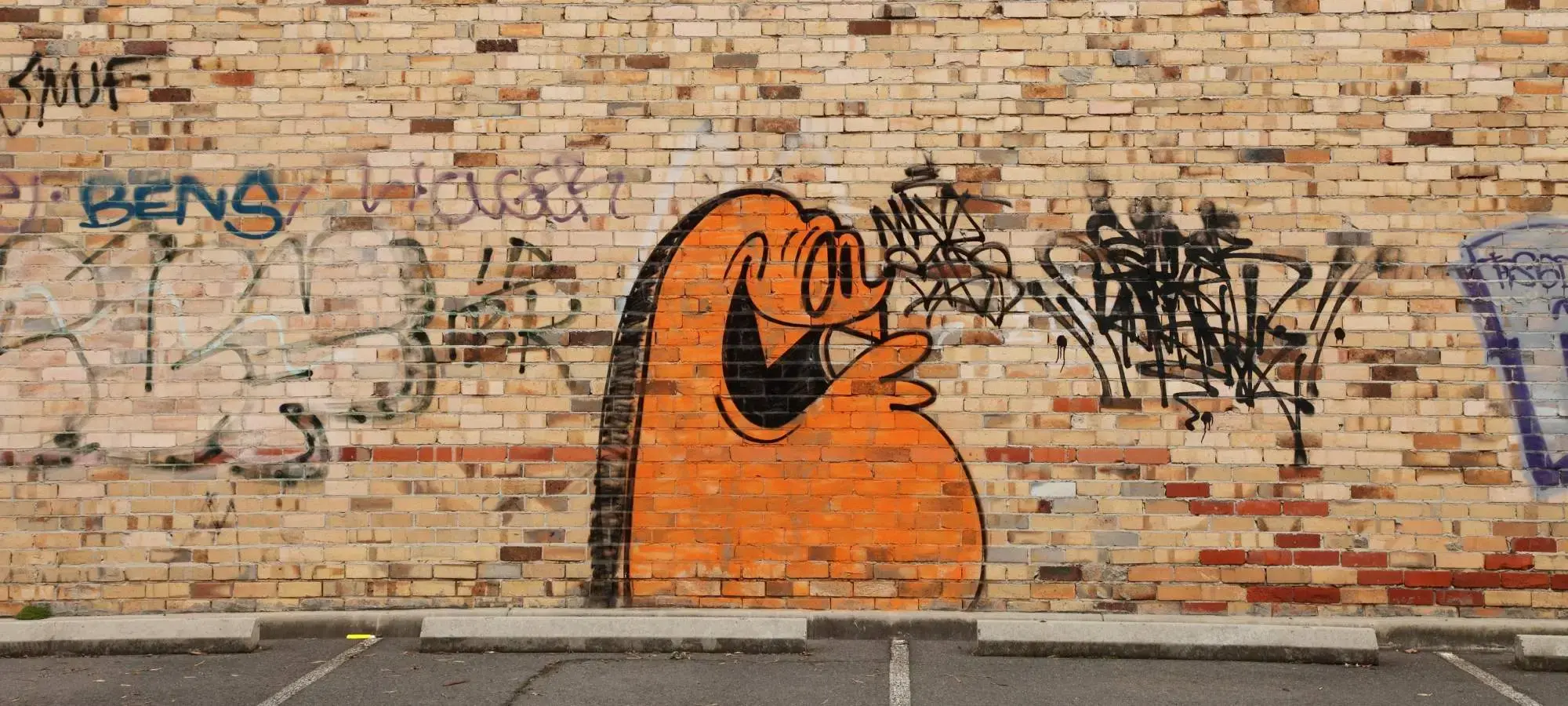
And if there’s existing graffiti on the surface, it needs to come off first. Coating over old tags will lock them in. If any graffiti shadows or staining is still visible, they should be sealed with an anti-bleed stain sealer before the anti-graffiti coating goes on.
Choosing sacrificial vs non-sacrificial
The choice between a sacrificial or non-sacrificial anti-graffiti coating depends partly on the surface you’re coating.
Sacrificial coatings will form a clear barrier that gets removed along with the graffiti during cleaning. Cleaning usually involves hot water or a pressure washer. Once the surface is clean and dry, the coating is then reapplied. It’s a good choice for murals, street art and heritage surfaces where you want the least possible change to the underlying finish.
Non-sacrificial coatings stay in place permanently. Any graffiti that shows up later is cleaned off with a solvent or pressure washer. But the coating itself remains intact for repeated cleanups. Stywill applies non-sacrificial coatings that protect walls, signage and public assets without needing reapplication after every tagging.
For textured walls, non-sacrificial coatings tend to perform better long-term. Trying to reapply a sacrificial coating evenly into a rough surface profile is time-consuming and easy to get wrong. On smooth painted surfaces, either type can work well.
Surface preparation is the step that decides everything
A coating is only as reliable as the prep underneath it. If you skip surface preparation, any anti-graffiti coatings you apply will fail on both textured walls and painted surfaces.
Every job starts with the basics:
- Clean the surface of dirt, grease, dust, curing compounds and any remnants of old graffiti.
- Remove efflorescence (that white salt deposit) from concrete or masonry.
- Fill cracks and cut out any loose or deteriorating material.
- On porous textured substrates, apply a primer or sealer coat so the anti-graffiti coating doesn’t soak straight in.
- On painted surfaces, test the existing paint for adhesion. A simple cross-hatch test will tell you whether it’s sound enough to coat over.
Of course, how long all this takes depends on what you’re starting with. A clean, sound wall may need only a wash and dry. A surface with old graffiti, flaking paint or heavy contamination could need stripping, sealing and priming. Which will likely add a day or more to the job, but still shouldn’t be skipped.
Always run a test patch on a small area first. Porosity, previous coatings and exposure conditions all vary, and what works on one section of a wall may behave differently on the next.
When to bring in a specialist
Applying anti-graffiti coating to a brand-new concrete panel is straightforward. Applying it to a 15-year-old rendered retaining wall with two layers of paint and a history of tagging is not.
The more complex the surface, the more the job depends on product selection, application rate and surface preparation. And that’s where experience counts. Stywill Texture Coating has been applying anti-graffiti coatings across NSW for over 30 years, working on everything from highway noise barrier walls and railway station assets to commercial retaining walls and public buildings.
If you’re not sure whether your textured wall or painted surface can take a coating, or which product type suits the substrate, it’s worth getting a site assessment before committing.
Protecting street art and murals
Commissioned murals and street art need graffiti protection too. But the wrong coating can change the look of the artwork.
Clear non-sacrificial coatings may add a slight gloss, while sacrificial coatings preserve the original finish more faithfully. For murals on textured walls, application technique is just as important as product choice. If you’re choosing an anti-graffiti solution for a public building or artwork, talk to a coatings specialist about the best system for that specific surface.
Talk to our team
Protect your walls, signage and assets from graffiti damage. Contact our team on 02 9674 9700 or request a quote online.