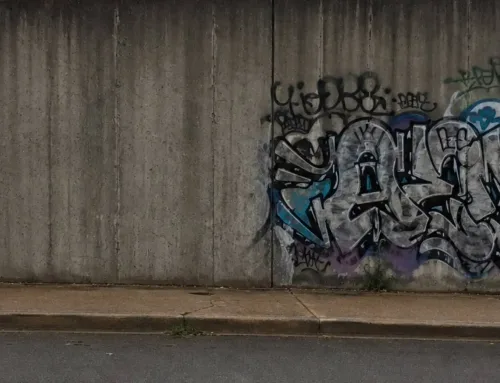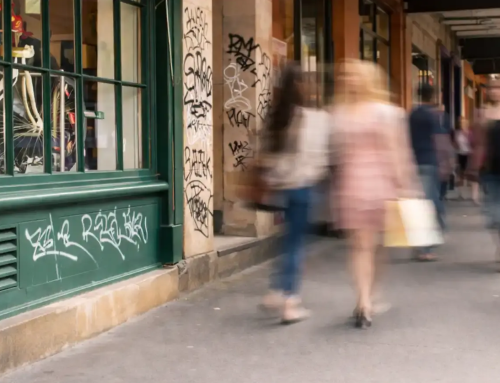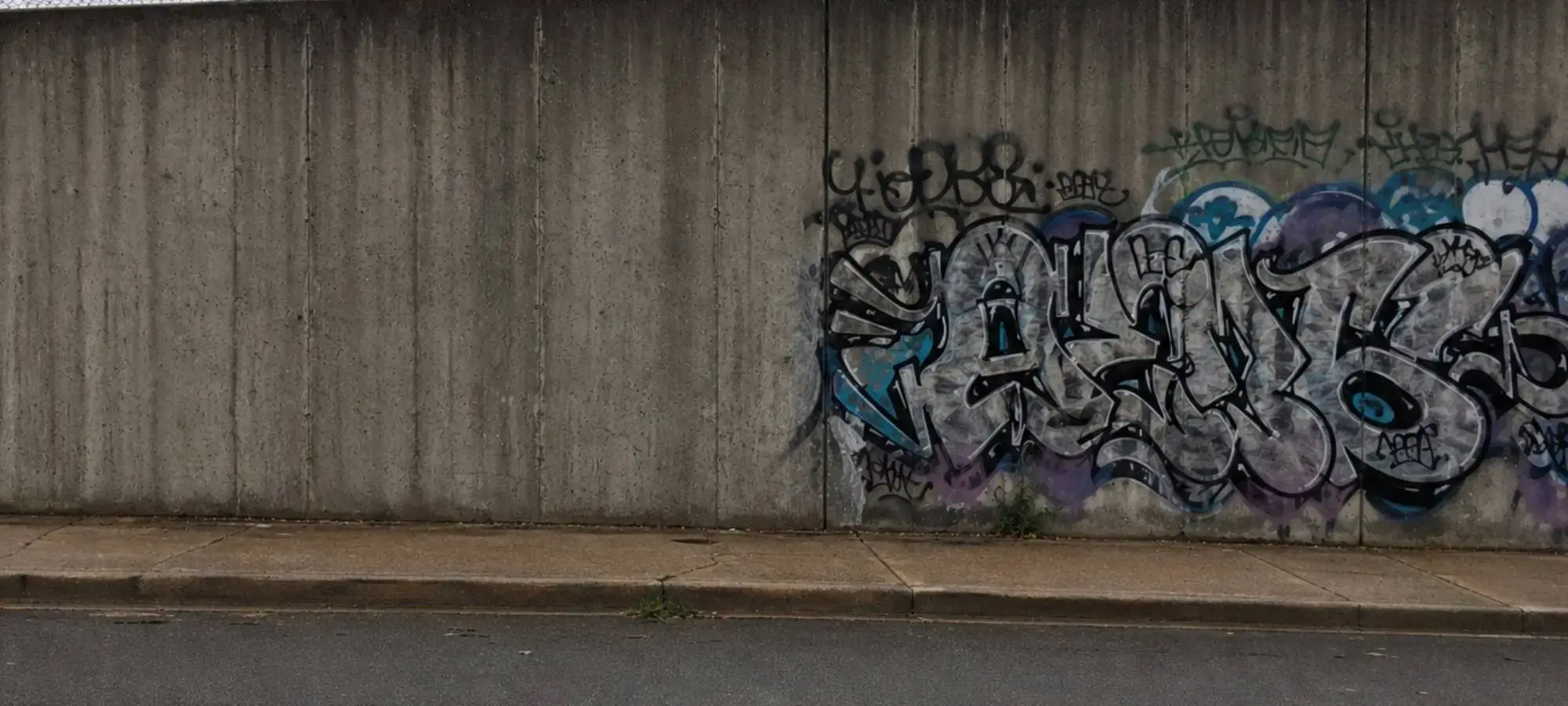


Graffiti on heritage buildings creates problems that go well beyond appearance. Many historic surfaces are vulnerable to damage during removal, particularly when modern chemicals or high-pressure washing are used. Loss of surface material, uneven colour change, and permanent staining are common outcomes when cleaning is rushed or poorly specified.
Materials such as sandstone, decorative masonry, and historic renders all react differently to paint, moisture, and cleaning methods. Protecting these surfaces from graffiti requires a measured approach that prioritises the behaviour of the original fabric, not just ease of removal.
Why graffiti control is different on heritage buildings
Heritage buildings are often constructed from materials that were never designed to handle modern solvents, pressure washers, or aggressive cleaners. Many surfaces rely on natural porosity to breathe, release moisture, and age evenly.
Once that balance is disturbed, problems follow. Moisture gets trapped. Surface faces weaken. Colour changes become uneven. Over time, repairs stand out instead of blending in.
Graffiti protection on heritage buildings needs to focus on control rather than speed.
Understand the surface before choosing protection
Every heritage asset has a material story. You need to understand it before adding any protection system.
Sandstone and other porous masonry
Sandstone is one of the most common heritage materials across NSW. It is also one of the most sensitive.
The open pore structure that gives sandstone its texture also allows paint, moisture, and cleaning residues to penetrate deeply. Aggressive graffiti removal can pull out surface grains, soften edges, and leave permanent ghosting.
Any anti-graffiti coating used on sandstone must:
- Remain vapour permeable
- Avoid darkening or uneven sheen
- Allow gentle removal methods rather than force
Testing is not optional here.
Decorative finishes and historic coatings
Decorative finishes can include lime renders, textured coatings, heritage paints, or early cement-based finishes. Many were applied by hand and have subtle variation across the surface.
These finishes often respond poorly to modern repainting or sealing unless compatibility is confirmed. A coating that looks fine on a test panel may behave very differently once spread across a whole elevation.
Protection needs to preserve variation, not flatten it.
Why harsh graffiti removal causes lasting damage
High-pressure water and strong solvents are still common on unprotected heritage walls. They are also responsible for much of the damage seen during audits and condition reports.
Repeated cleaning can:
- Strip surface fines from sandstone
- Etch decorative textures
- Drive moisture deeper into the wall
- Leave patchy colour differences after paint removal
Once damage is done, no coating can hide it. Prevention always costs less than repair.
How anti-graffiti coating systems work on heritage surfaces
Protective coatings create a barrier between graffiti paint and the substrate. On heritage buildings, that barrier must be subtle, reversible where possible, and compatible with the material beneath.
Non-sacrificial clear systems
Non-sacrificial systems form a clear, permanent barrier that allows graffiti to be removed without stripping the coating each time. When specified correctly, they reduce repeated abrasion of the surface.
For heritage use, these systems must be:
- Clear and visually low impact
- Compatible with mineral substrates
- Cleanable using low-pressure and approved removers
They are often suitable for higher-risk areas where repeated tagging is expected and fast cleaning is required.
Sacrificial systems and wash-off coatings
Sacrificial coatings are designed to be removed during graffiti cleaning, taking the paint with them. They are then reapplied.
These systems can suit low-incidence areas or sites with strict conservation controls. However, repeated reapplication can still affect appearance if not managed carefully.
Selection should be based on cleaning frequency, access constraints, and heritage requirements.
Matching the system to the building, not the other way around
There is no single solution that works for every heritage building. The correct system depends on:
- Substrate type and condition
- Decorative detail and finish variation
- Exposure to weather and pollution
- Frequency of graffiti incidents
- Access and cleaning limitations
A sandstone plinth in a transport corridor needs a different approach to a decorative facade in a civic precinct. Treating them the same leads to failure.
How to test coatings on sensitive or historic fabric
Testing protects both the building and the decision-maker.
Before full application:
- Select an inconspicuous area that still represents the main surface.
- Apply the proposed system under site conditions.
- Allow proper curing time.
- Test cleaning using approved removers and low pressure.
- Review appearance in different light and weather.
Testing shows how the surface will look, and behave, over time. It also provides documented evidence for heritage approvals.
Ongoing care and cleaning for protected heritage buildings
Protection does not remove the need for care, but it does change how cleaning is done.
A good maintenance approach includes:
- Using only approved cleaners
- Avoiding high-pressure washing
- Recording each cleaning cycle
- Inspecting annually for wear or localised damage
Early attention keeps the system working and avoids patch repairs that draw the eye.
When to involve specialists
Heritage graffiti protection sits at the intersection of coatings, materials science, and conservation practice. General painting methods rarely transfer well.
Specialists understand:
- Substrate behaviour over time
- Access methods that avoid damage
- System compatibility and limits
- Documentation required for councils and asset owners
For decorative and heritage surfaces, experience matters more than speed.
If you manage or maintain a heritage asset and need graffiti protection that respects the original fabric, book a site assessment or send plans for a specification check.
Frequently asked questions
Can anti-graffiti coatings be used on sandstone heritage buildings?
Yes, but only when the system is compatible with porous masonry. Sandstone requires vapour-permeable coatings that do not darken the surface or trap moisture. Testing is essential before approval to confirm appearance, breathability, and cleaning performance.
Will an anti-graffiti coating change the appearance of decorative finishes?
A correctly specified clear system should remain visually subtle. On textured or hand-finished surfaces, small test areas are used to confirm sheen, colour stability, and how light interacts with the finish before full application.
Is graffiti removal safer once a heritage surface is protected?
Protected surfaces allow graffiti to be removed using lower pressure and approved cleaners. This reduces abrasion and surface loss compared with repeated aggressive cleaning on unprotected masonry or decorative coatings.
How long do anti-graffiti systems last on heritage buildings?
Service life depends on exposure, cleaning frequency, and system type. Many non-sacrificial systems can perform for years when cleaned correctly, with periodic inspections to identify localised touch-ups early.