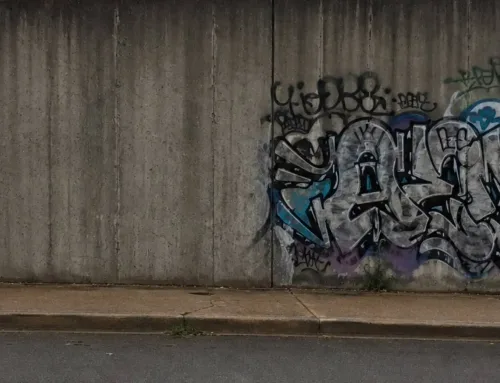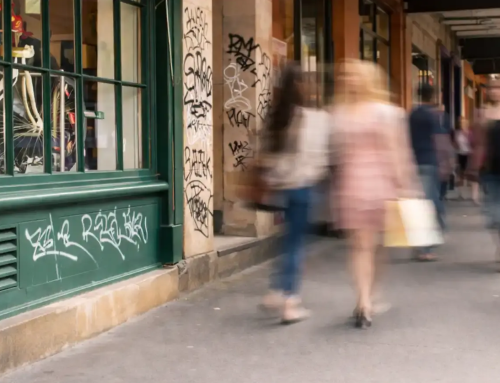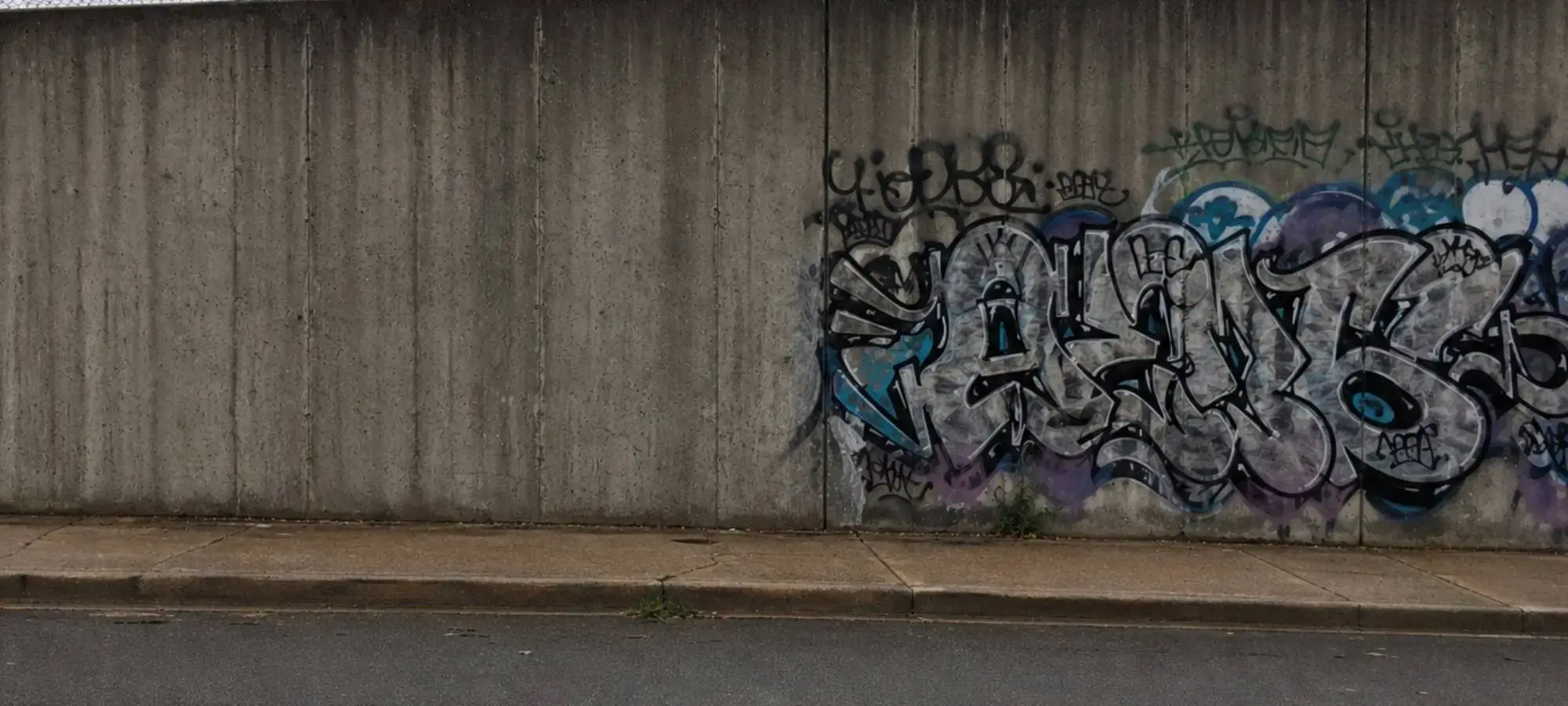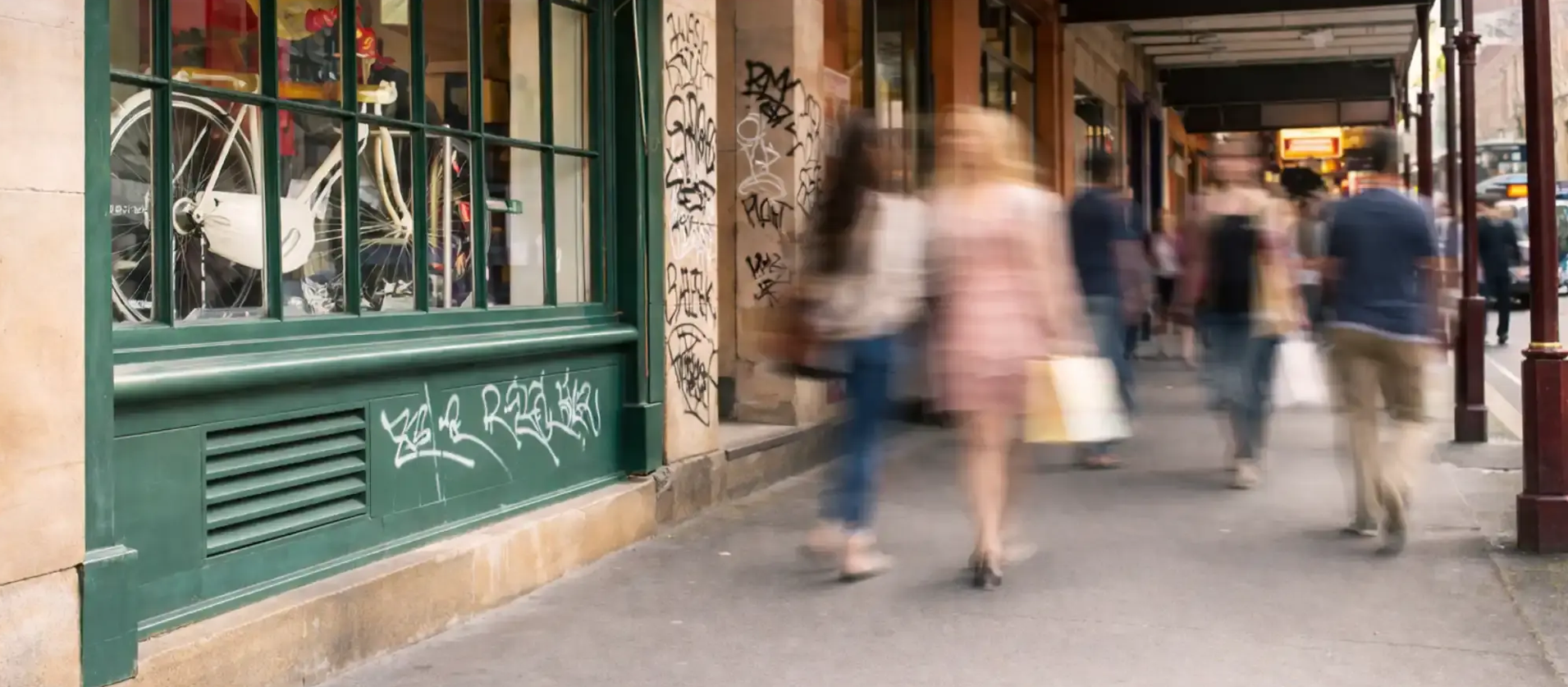

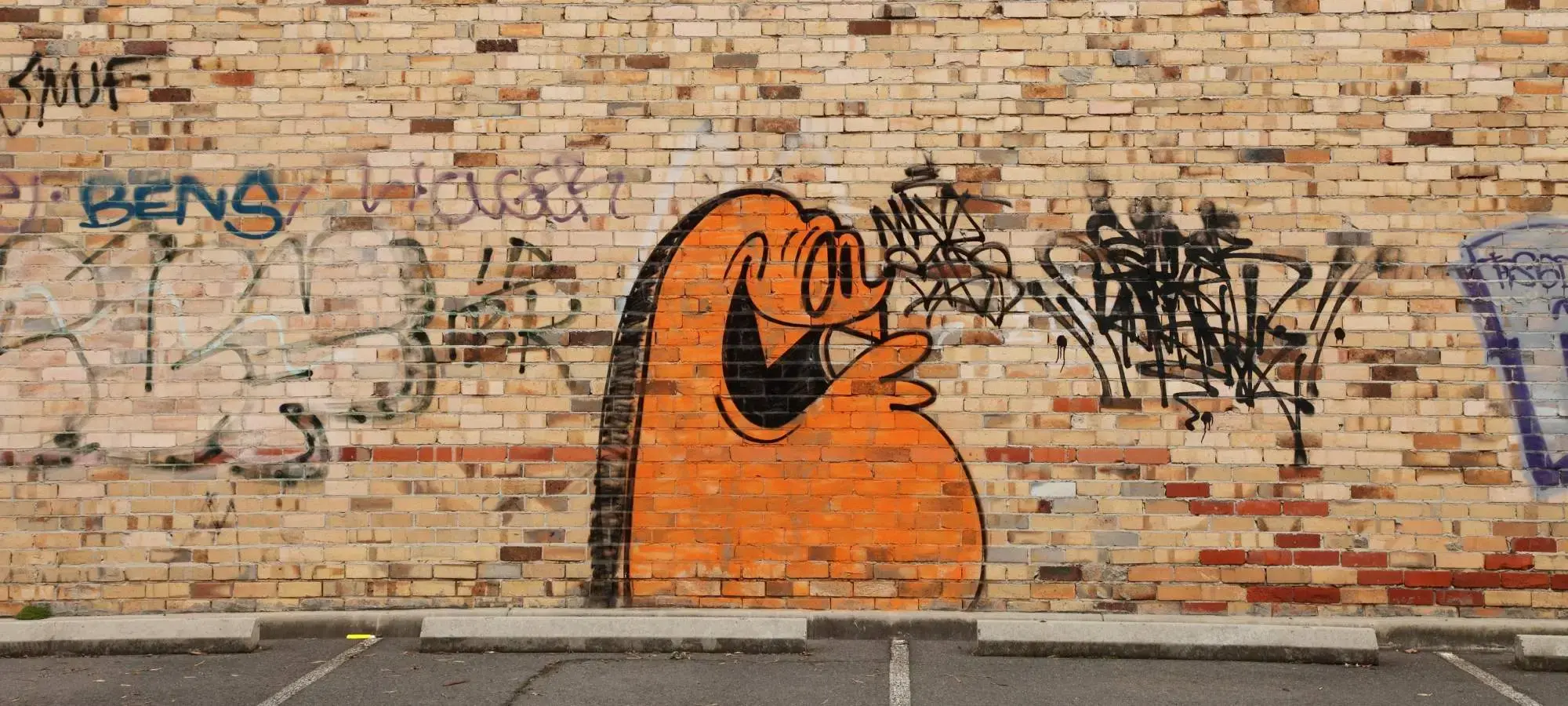
Graffiti on render, brick, and concrete is hard to manage because you’re dealing with porous surfaces. Paint sinks in, shadows linger after cleaning, and repainting becomes frequent and costly once you’re stuck in that cycle. A properly specified anti-graffiti coating changes that by sealing the surface and controlling how paint bonds, without stripping back the wall each time.
On render, brick, and concrete, graffiti control comes down to preparation, coating choice, and realistic expectations about cleaning and maintenance.
Why porous surfaces behave differently under graffiti
Brick, concrete, and render are full of microscopic voids. Those voids draw liquids in. When graffiti paint hits an unsealed wall, it doesn’t sit on top. It sinks in before you can stop it.
That’s where you start to see two problems.
First, removal needs stronger cleaners and higher pressure, which risks surface damage.
Second, even after cleaning, pigments can remain trapped below the surface, leaving a “ghost” outline.
An anti-graffiti coating addresses both by reducing absorption and creating a cleanable interface between the wall and the paint.
How anti-graffiti coating works on render, brick and concrete
An anti-graffiti coating forms a clear barrier over the substrate. On porous surfaces, that barrier must do two jobs at once:
- Seal the pores without blocking vapour movement.
- Allow graffiti paint to release during cleaning.
Most long-term programs you see use non-sacrificial systems, which stay in place after cleaning. Sacrificial systems exist, but you need to reapply these after each clean. These are usually reserved for heritage or low-incidence areas.
On brick, concrete, and render, the coating must also work with surface variation. Mortar joints, bugholes, and texture depth all affect film build and performance.
Anti-graffiti coating systems suited to porous surfaces
Not all systems behave the same once applied to rough masonry. And how they differ is an important consideration.
Non-sacrificial clear coatings
These are permanent systems designed for repeated cleaning.
They suit:
- Concrete noise walls and retaining walls
- Rendered commercial façades
- Brick infrastructure and underpasses
Characteristics include controlled sheen, chemical resistance, and compatibility with low-pressure cleaning methods.
A test patch is essential on textured render and older brickwork to confirm how the finished surface will look.
Surface preparation
Preparation influences whether an anti-graffiti coating performs as intended or gives you problems early on.
On porous substrates, preparation typically includes:
- Cleaning and decontamination
Dirt, salts, mould, and traffic residue must be removed so the coating can bond evenly.
- Moisture assessment
Trapped moisture leads to whitening, blistering, or adhesion loss. All masonry must be dry before coating.
- Repairs and consolidation
Loose render, friable brick faces, or spalled concrete need repair. Anti-graffiti systems do not stabilise failing substrates.
- Priming where required
Some porous surfaces need a compatible sealer or primer to regulate absorption and improve film build.
If you skip or rush any of these steps, you risk shortening the service life and it could complicate future cleaning.
Appearance on render, brick and concrete
A frequent worry is whether a clear coating will change the look of the wall.
- On smooth concrete, visual change is usually minimal.
- On textured render or older brick, a slight sheen lift can occur.
That’s why specification should always include:
- A test area in a representative location
- Review under different light conditions
- Confirmation of acceptability before full rollout
If a wall is patchy, stained, or mismatched, a colour refresh may be recommended first. The anti-graffiti coating is then applied once the new paint has cured.
Cleaning graffiti from coated porous walls
Once coated, graffiti removal becomes easy.
The paint sits on the coating rather than soaking into the substrate. You can then use approved cleaners, soft agitation, and low pressure washing to remove the graffiti. The helps lift the graffiti without eroding the coating or the wall.
How you clean the surface is important. If you resort to aggressive methods, you reduce the coating life and roughen the surface. This makes future tagging harder to remove.
For managed assets, documented cleaning methods and periodic inspections ensures performance stays consistent over time.
Where anti-graffiti coating is commonly used on masonry
Anti-graffiti coating on porous surfaces is widely specified for:
- Council buildings and public amenities
- Transport corridors and noise barrier walls
- Commercial façades and service lanes
- Schools, strata complexes, and car parks
On infrastructure projects, it is often paired with other protective systems such as noise barrier wall painting or tunnel coatings, allowing these assets to stay serviceable with minimal disruption.
Service life and maintenance expectations
Performance and durability depend on exposure, cleaning frequency, and surface condition.
On vertical, shaded walls with correct cleaners and methods, permanent systems can serve for years. High-incidence locations require more frequent inspection and occasional touch-ups, especially on edges and high-wear zones.
When anti-graffiti coating may not be the right first step
Anti-graffiti systems protect surfaces. They don’t fix issues you already have underneath.
If render is failing, brick faces are delaminating, or concrete is actively spalling, those problems must be addressed first. Coating over defects locks them in and complicates repairs later.
A site inspection can clarify whether you’re ready to coat the wall or need to take care of repairs first.
Anti-graffiti coating on brick, concrete and render FAQs
Will anti-graffiti coating work on very porous brick?
Yes, but absorption control is critical. Highly porous brick often needs a compatible sealer or primer before the clear system. A test patch confirms penetration, appearance, and how easy it will be to clean before full application.
Does graffiti removal damage the coating over time?
Not if you use approved cleaners and low-pressure methods. Harsh chemicals or aggressive blasting can reduce service life and roughen the surface, especially on render and softer masonry.
Can anti-graffiti coating be applied over painted render?
Yes, provided the existing paint system is sound and compatible. Adhesion checks and curing times are confirmed before coating to avoid lifting or whitening.
Is anti-graffiti coating suitable for heritage brickwork?
Sometimes. Breathability and appearance are critical on heritage assets. Sacrificial systems are often preferred, but only after testing and heritage approval.
If you’re planning anti-graffiti protection for brick, concrete, or render, a site assessment avoids guesswork and rework.
Book a site assessment or send plans for a specification check.